
Marrakech, Morocco’s vibrant Red City, captivates millions of visitors annually with its intoxicating blend of ancient history and modern energy. If you’re planning a trip, knowing the best places to visit in Marrakech will transform your experience from ordinary to extraordinary. This comprehensive guide reveals the city’s must-see attractions, hidden gems, and cultural treasures that make Marrakech one of North Africa’s most enchanting destinations.
As of 2026, Marrakech welcomes over 3 million international tourists each year, according to UNESCO World Heritage Centre, making it Morocco’s tourism capital. Whether you’re drawn to imperial palaces, bustling medinas, or serene gardens, this ancient city offers unforgettable experiences at every turn.
Quick Answer: Top 5 Places to Visit in Marrakech
- Jemaa el-Fnaa: UNESCO-listed main square with street performers and food stalls
- Bahia Palace: 19th-century masterpiece of Moroccan architecture
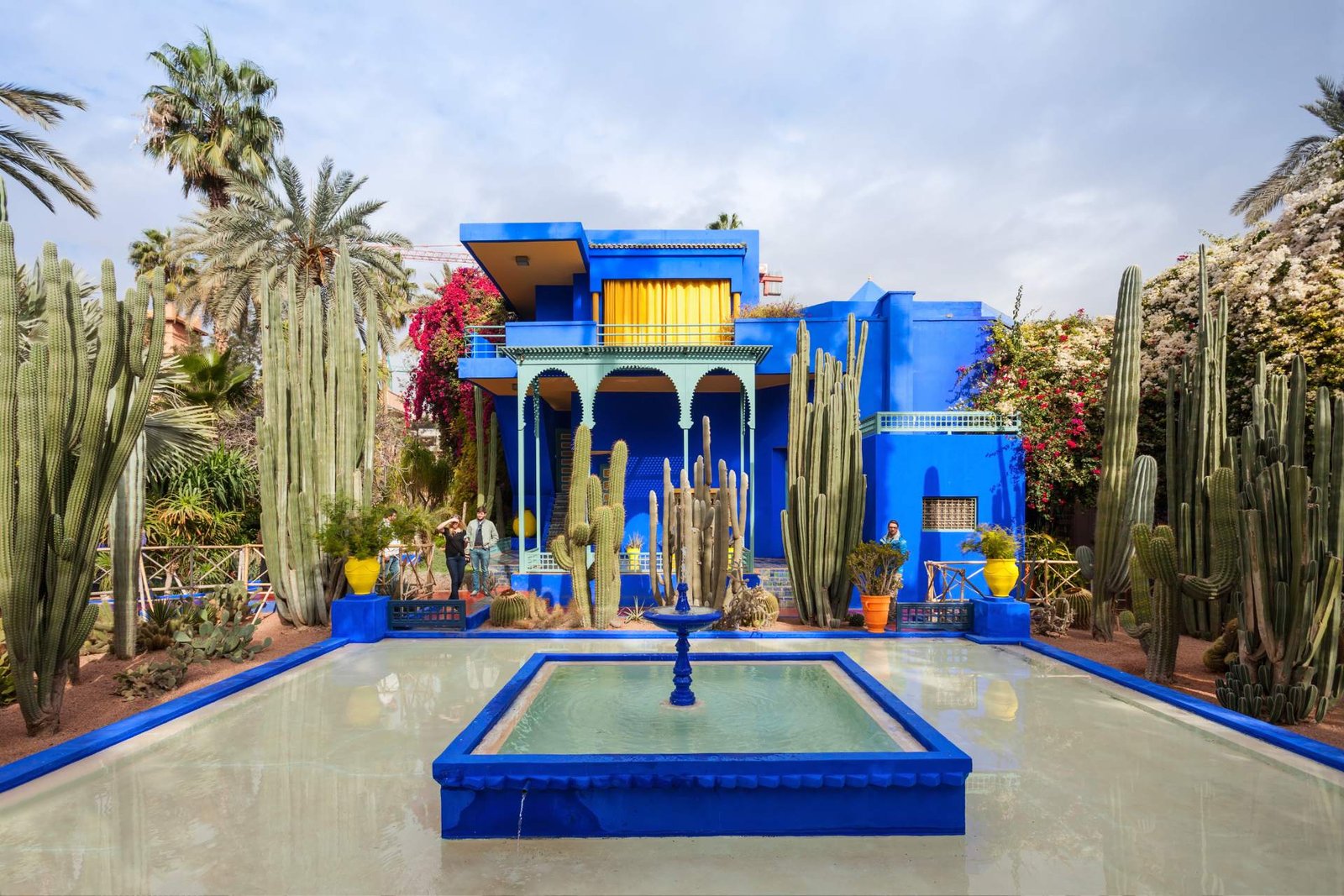
- Majorelle Garden: Iconic blue garden created by Jacques Majorelle
- Koutoubia Mosque: Marrakech’s largest mosque with stunning minaret
- Saadian Tombs: Historic royal necropolis dating to the 16th century
Historic Landmarks and Palaces
Bahia Palace
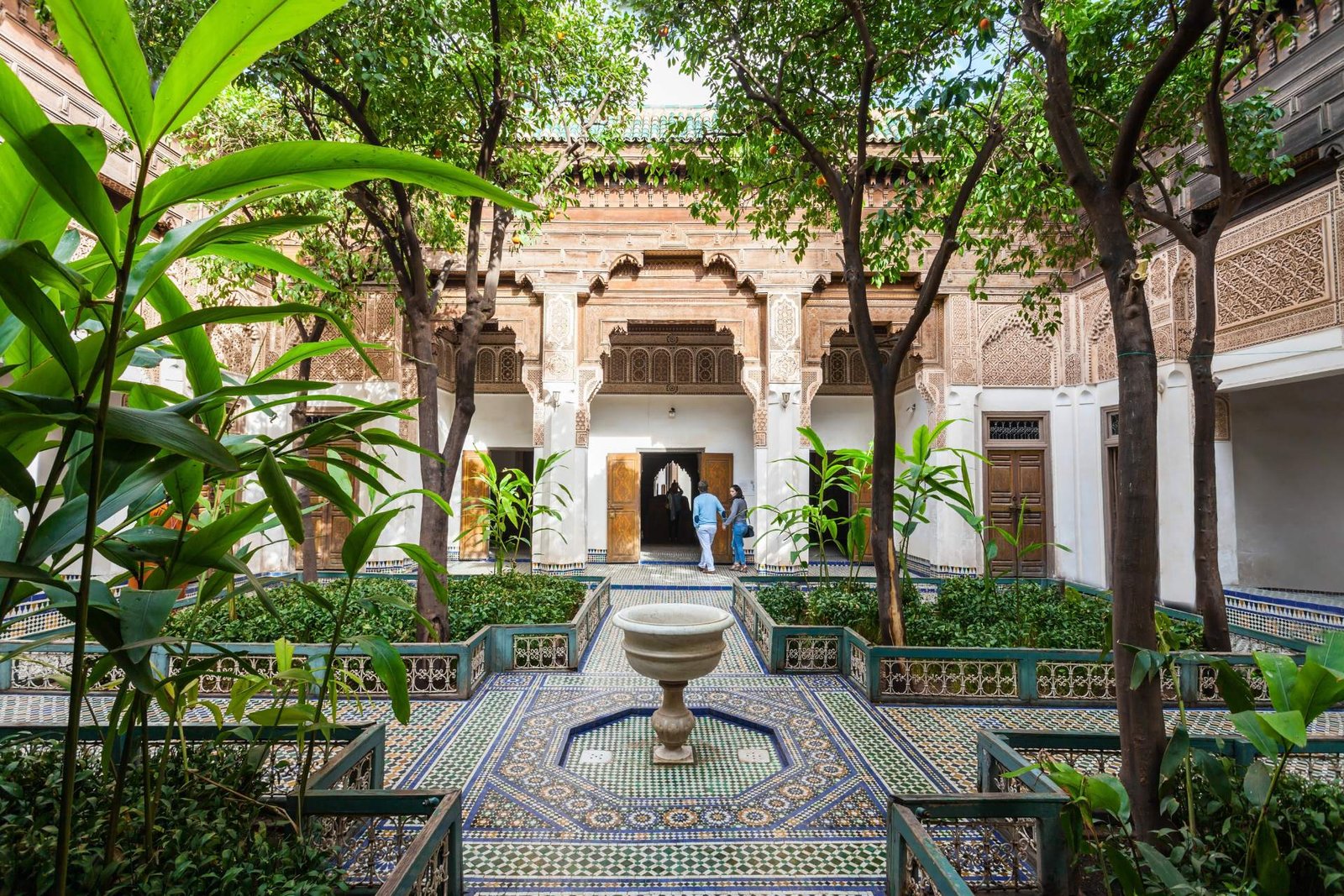
The Bahia Palace stands as one of the finest examples of Moroccan architecture in North Africa. Built in the late 19th century by Grand Vizier Ba Ahmed, this sprawling complex features intricate zellige tilework, painted cedar ceilings, and tranquil courtyards. The palace name means “brilliance,” and it lives up to its title with rooms adorned in stunning Islamic geometric patterns.
Visitors can explore over 150 rooms, though only a portion is open to the public. The palace gardens offer peaceful respite from the city’s heat, with orange trees and fountains creating a serene atmosphere.
Places to visit in Marrakech
Saadian Tombs
Hidden for centuries and rediscovered in 1917, the Saadian Tombs house the remains of Saadian dynasty rulers from the 16th century. The mausoleum complex showcases exquisite craftsmanship with Italian Carrara marble, gold leaf detailing, and intricate stucco work. The Chamber of Twelve Columns is particularly breathtaking, featuring columns supporting a magnificent cedar dome.
El Badi Palace
Though now in ruins, El Badi Palace offers a haunting glimpse into Marrakech’s imperial past. Built by Sultan Ahmad al-Mansur in the late 16th century, this once-lavish palace was stripped of its decorations centuries ago. Today, the massive walls and sunken gardens create a dramatic setting, and visitors can climb to the ramparts for panoramic city views.
Gardens and Outdoor Spaces
Majorelle Garden
Perhaps the most photographed of all places to visit in Marrakech, the Majorelle Garden captivates with its electric blue buildings and exotic plant collection. French artist Jacques Majorelle created this botanical paradise in the 1920s, and fashion designer Yves Saint Laurent later restored it. The garden houses over 300 plant species from five continents, including towering cacti, bamboo groves, and water lilies.
The on-site Berber Museum and Yves Saint Laurent Museum provide additional cultural enrichment. As of 2026, advance booking is strongly recommended due to visitor capacity limits.
Menara Gardens
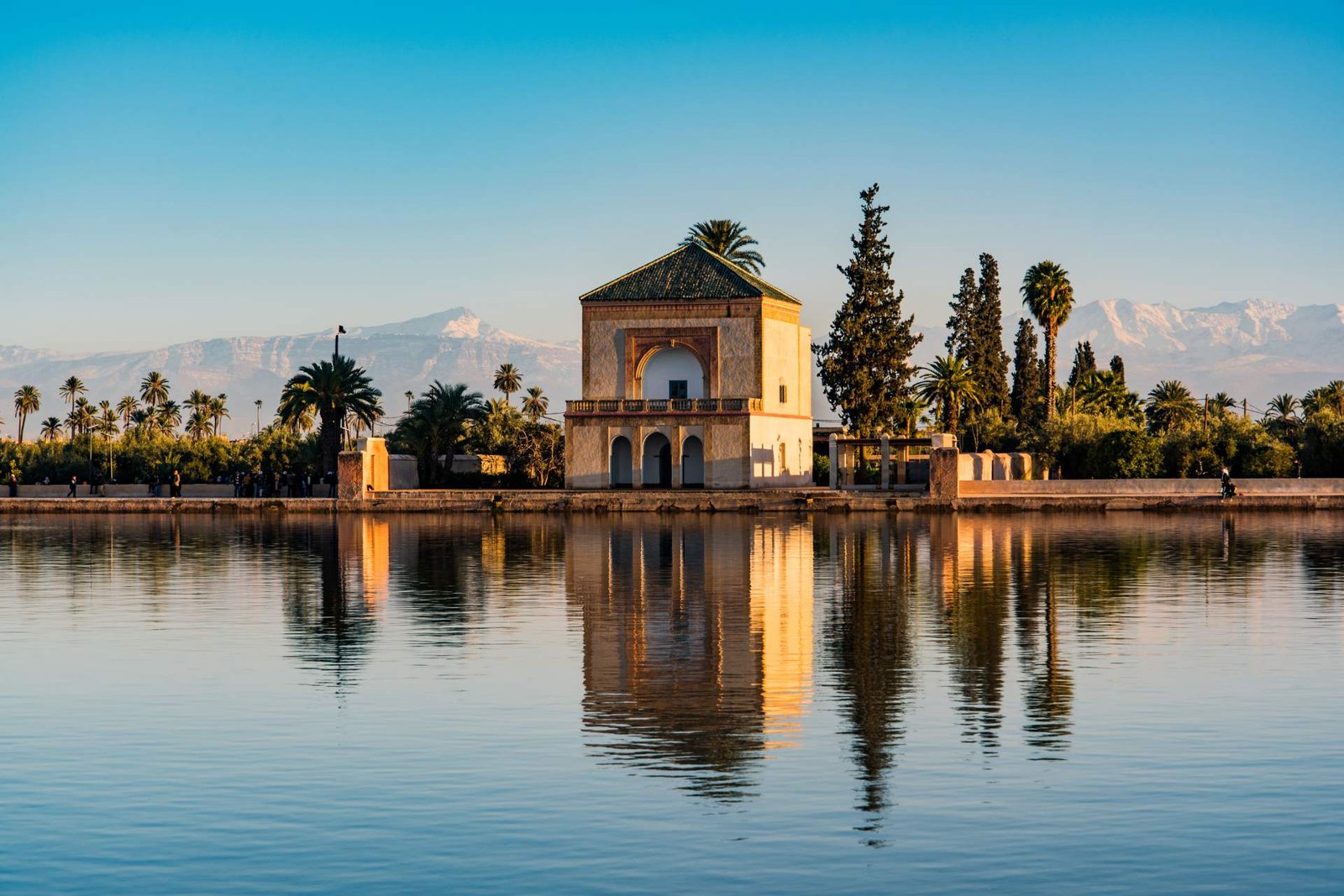
Dating back to the 12th century, the Menara Gardens offer an authentic escape with fewer tourists than Majorelle. The expansive olive groves surrounding a large reflecting pool create a quintessential Moroccan landscape. The pavilion overlooking the pool, with the Atlas Mountains in the background, provides one of Marrakech’s most iconic photo opportunities.
Agdal Gardens
These royal gardens, established in the 12th century, span over 400 hectares and represent one of the world’s oldest garden designs still in use. According to Wikipedia, the Agdal Gardens feature an ingenious irrigation system that has functioned for nearly 900 years. Access is sometimes restricted, but when open, they offer a peaceful retreat with fruit orchards and large water basins.
Souks and Traditional Markets
Jemaa el-Fnaa
The beating heart of Marrakech, Jemaa el-Fnaa is a UNESCO-recognized cultural space where traditional storytelling, music, and street food converge. By day, the square fills with orange juice vendors, snake charmers, and henna artists. At night, it transforms into an open-air restaurant with dozens of food stalls serving traditional Moroccan cuisine.
Common Misconception: Many visitors believe Jemaa el-Fnaa is just a tourist trap, but it remains an authentic gathering place where locals socialize and eat, especially in the evening hours.
The Souks of Marrakech
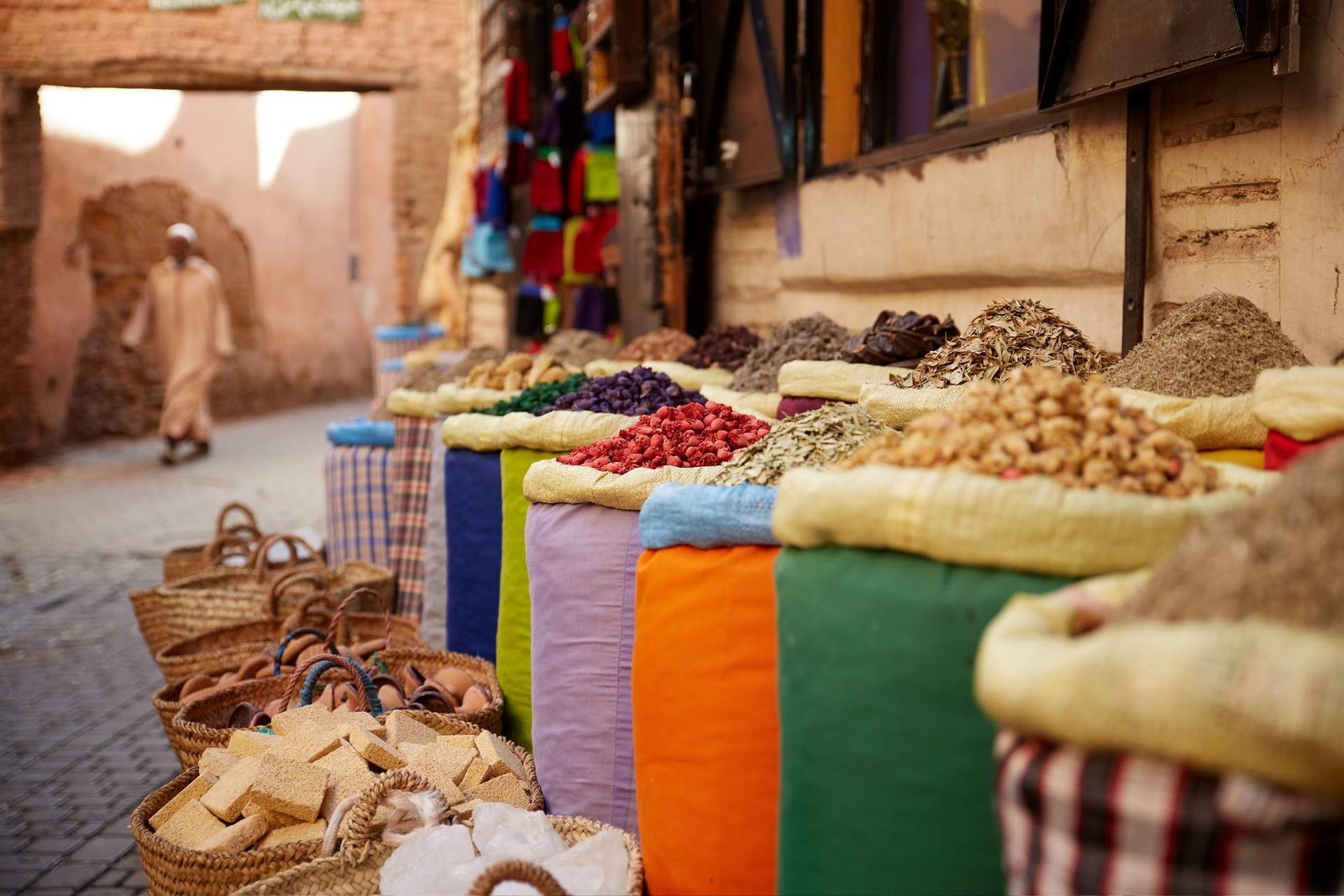
Radiating from Jemaa el-Fnaa, the Marrakech souks form a labyrinthine marketplace where you can find everything from hand-woven carpets to aromatic spices. Each souk specializes in different goods:
- Souk Semmarine: The main artery featuring textiles, lanterns, and leather goods
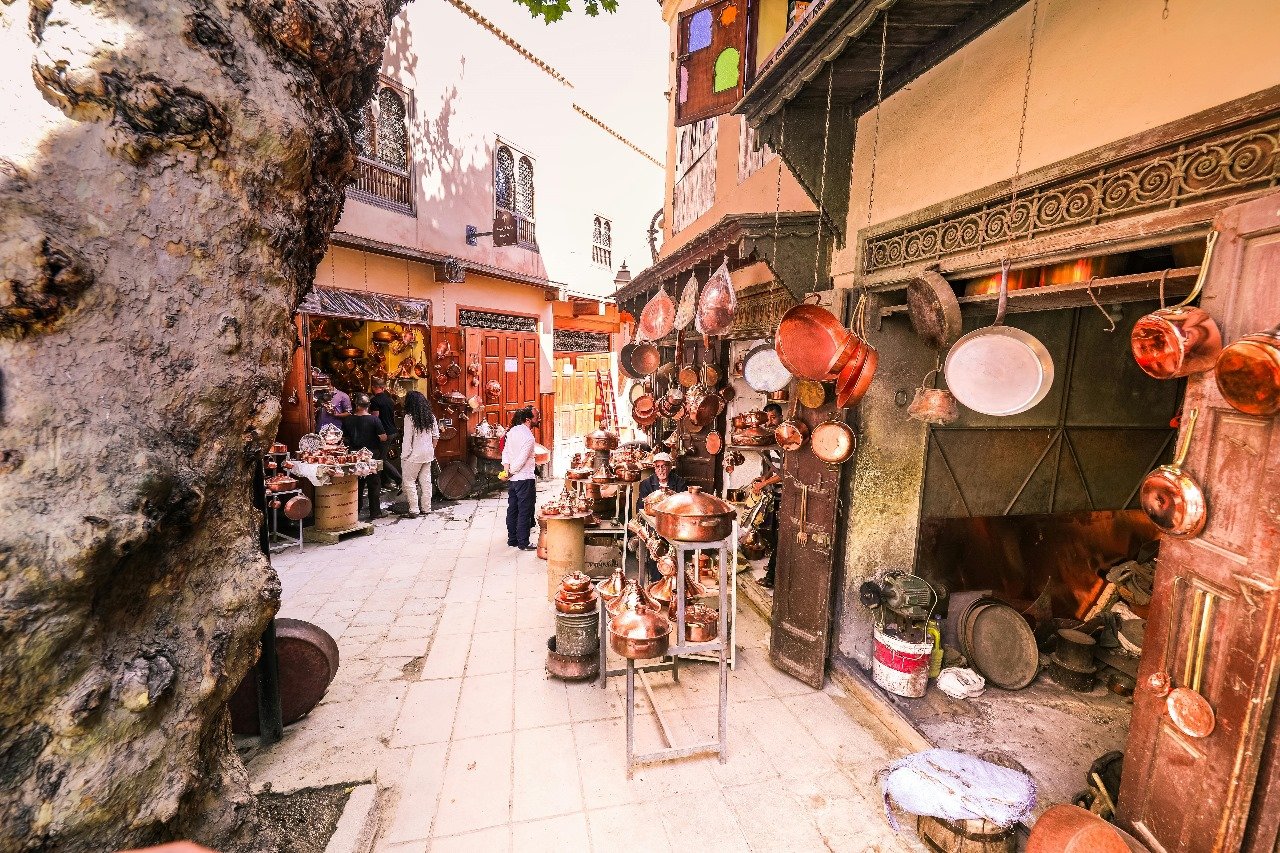
- Souk Haddadine: Metalwork and wrought iron specialists
- Souk Cherratine: Leather workers crafting bags, shoes, and belts
- Rahba Kedima: Spice square with traditional apothecaries
- Souk des Teinturiers: The dyers’ souk with colorful hanging wool
Exploring the souks with a knowledgeable guide from Roving Morocco Tours can enhance your experience significantly, providing cultural context and helping navigate the maze-like alleys.
Cultural Museums and Galleries
Museum of Marrakech
Housed in the 19th-century Dar Menebhi Palace, the Museum of Marrakech showcases Moroccan art, traditional clothing, and historical artifacts. The building itself is an attraction, with a stunning central courtyard featuring a massive brass chandelier and intricate tilework.
Maison de la Photographie
This hidden gem displays vintage photographs of Morocco from 1870 to 1960, offering fascinating insights into the country’s history. The rooftop café provides spectacular views over the medina and nearby mountains.
Religious Sites and Architecture
Koutoubia Mosque
The Koutoubia Mosque’s 77-meter minaret dominates Marrakech’s skyline and serves as a navigational landmark throughout the city. Completed in 1158, this architectural masterpiece represents the pinnacle of Almohad design. While non-Muslims cannot enter, the exterior and surrounding gardens are worth visiting, especially at sunset when the minaret glows golden.
Ben Youssef Madrasa
Once North Africa’s largest Islamic college, the Ben Youssef Madrasa housed up to 900 students. The 16th-century building features phenomenal craftsmanship with carved cedar, stucco, and zellige tile covering every surface. The central courtyard with its reflecting pool creates a contemplative atmosphere that transports visitors back centuries.
Modern Marrakech Attractions
Gueliz District
The modern Gueliz neighborhood offers a contrast to the ancient medina with European-style boulevards, contemporary art galleries, and upscale restaurants. Avenue Mohammed V features international brands, modern cafés, and the imposing Theatre Royal.
Marrakech Railway Station
While primarily functional, the recently renovated railway station showcases modern Moroccan architecture and provides excellent connections to Casablanca, Rabat, and Tangier for those planning extended travel.
Day Trips from Marrakech
Atlas Mountains
The High Atlas Mountains lie just 40 kilometers from Marrakech, offering spectacular scenery and Berber villages. Popular excursions include visiting the Ourika Valley, hiking Mount Toubkal (North Africa’s highest peak), or exploring the Ouzoud Waterfalls. Many travelers book comprehensive tour packages that combine multiple mountain destinations.
Essaouira
This coastal town, approximately 2.5 hours from Marrakech, offers Atlantic breezes and a more relaxed atmosphere. The UNESCO-listed medina, Portuguese fortifications, and fresh seafood make it an ideal day trip or overnight excursion.
Ait Benhaddou
This fortified village, a UNESCO World Heritage Site, has served as a filming location for numerous Hollywood productions. The ancient ksar showcases traditional earthen architecture and offers insight into Morocco’s pre-Saharan communities.
Frequently Asked Questions
What are the must-see places to visit in Marrakech for first-time visitors?
First-time visitors should prioritize Jemaa el-Fnaa square, the Marrakech souks, Bahia Palace, Majorelle Garden, and Koutoubia Mosque. These attractions provide a comprehensive introduction to the city’s culture, history, and architecture. Allocate at least three to four days to explore these sites properly without rushing.
When is the best time to visit Marrakech?
The optimal visiting periods are March through May and September through November when temperatures are pleasant (20-28°C). Summer months (June-August) can be extremely hot, exceeding 40°C, while winter nights can be surprisingly cold. Spring offers the added benefit of blooming gardens throughout the city.
How many days do I need to explore Marrakech properly?
A minimum of three to four days allows you to visit the major attractions without rushing. Five to seven days enables deeper exploration, including day trips to the Atlas Mountains or coastal Essaouira. Consider consulting with travel specialists to customize your itinerary based on your interests.
Is Marrakech safe for tourists in 2026?
Yes, Marrakech is generally safe for tourists. As of 2026, Morocco maintains strong security measures in tourist areas. However, standard precautions apply: watch for pickpockets in crowded souks, use registered taxis, avoid unlicensed guides, and be cautious after dark in unfamiliar areas. Women should dress modestly to respect local customs.
Do I need a guide to visit Marrakech’s attractions?
While not mandatory, hiring a licensed guide significantly enhances your experience, especially in the medina and souks. Guides provide cultural context, historical information, and help navigate complex alleyways. Many major sites like palaces and gardens can be explored independently, but the souks are much easier with expert guidance.
What should I wear when visiting religious sites in Marrakech?
Dress conservatively when visiting mosques and religious sites. Women should cover shoulders, chest, and knees; loose-fitting clothing is ideal. Men should avoid shorts and sleeveless shirts. While Marrakech is relatively liberal, respectful dress demonstrates cultural awareness and may be required for entry to certain sites.
Conclusion
Marrakech offers an extraordinary tapestry of experiences, from ancient palaces and tranquil gardens to vibrant souks and modern attractions. The places to visit in Marrakech outlined in this guide represent centuries of Moroccan culture, architectural brilliance, and artistic achievement. Whether you’re captivated by Islamic architecture, drawn to bustling markets, or seeking serene garden retreats, Morocco’s Red City delivers unforgettable memories.
Planning your Marrakech adventure requires careful consideration of timing, transportation, and local customs. For a seamless experience exploring these remarkable attractions, consider booking with Roving Morocco Tours, who specialize in creating authentic Moroccan experiences. Check their customer testimonials to see how they’ve helped travelers discover the magic of Marrakech.
As of 2026, Marrakech continues evolving while preserving its historical essence, making it an ideal destination for both first-time visitors and returning travelers. Start planning your journey today, and prepare to be enchanted by one of the world’s most captivating cities.