Morocco stands as one of North Africa’s most captivating destinations, offering travelers an extraordinary blend of ancient history, vibrant culture, and breathtaking landscapes. Exploring the top attractions in Morocco reveals a country where imperial cities meet desert dunes, where Mediterranean coastlines transition to mountain peaks, and where centuries-old traditions thrive alongside modern innovation.
From the labyrinthine souks of Marrakech to the blue-painted streets of Chefchaouen, Morocco promises unforgettable experiences at every turn. This comprehensive guide will help you navigate the country’s most remarkable destinations.
Marrakech: The Red City’s Enchantment
Marrakech consistently ranks among the top attractions in Morocco, drawing millions of visitors annually to its iconic Jemaa el-Fnaa square. As of 2026, this UNESCO World Heritage site continues to pulse with life as snake charmers, storytellers, and food vendors create an intoxicating sensory experience.
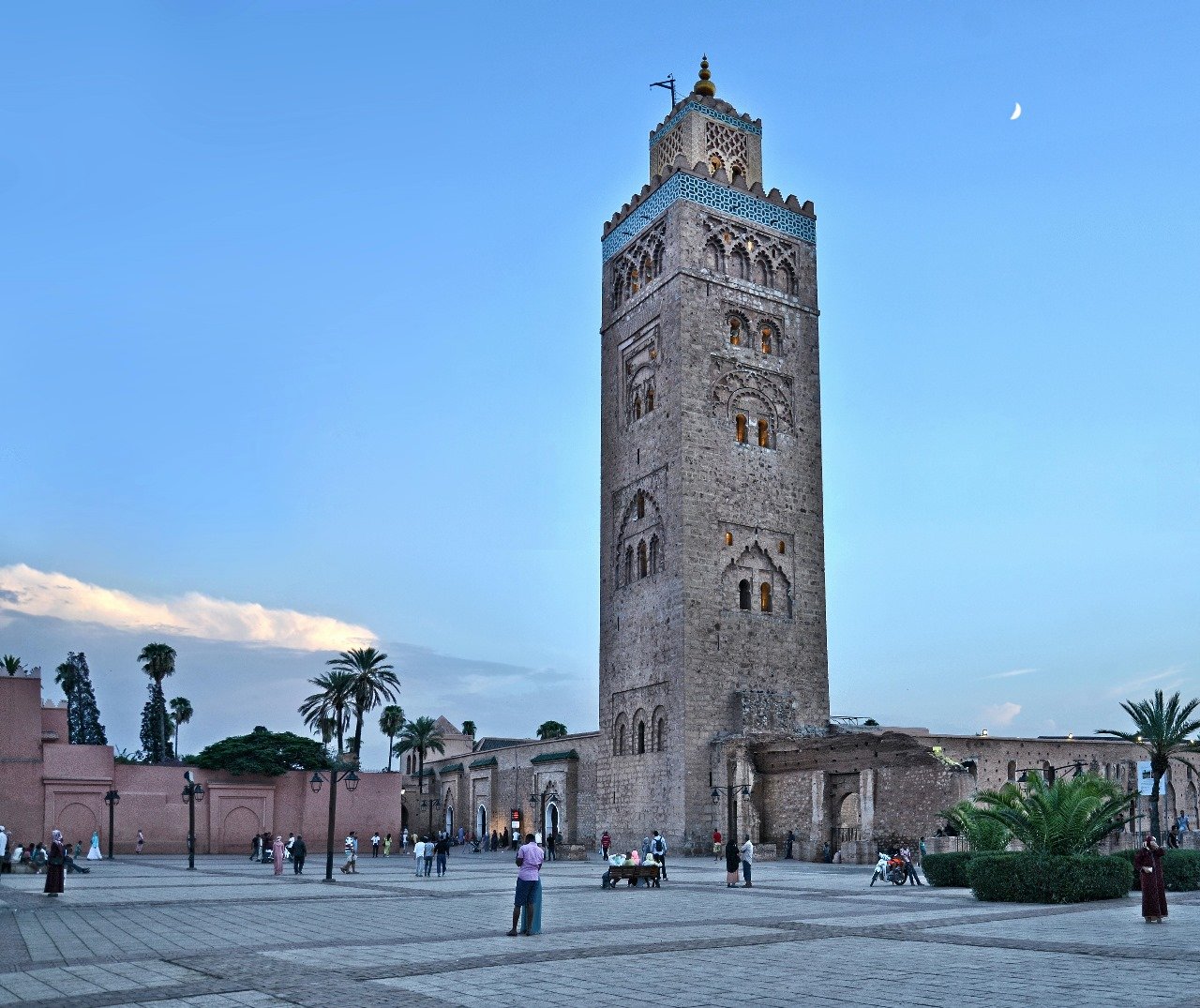
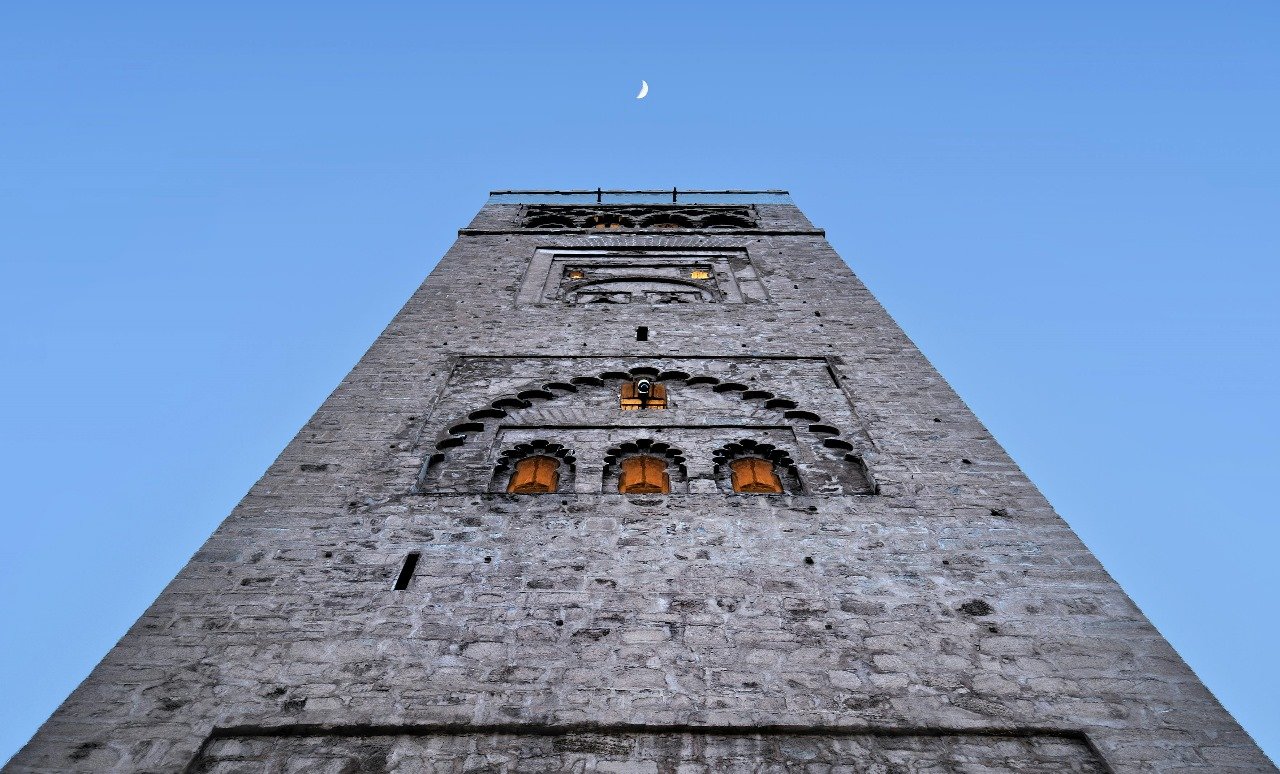
The Majorelle Garden, restored by Yves Saint Laurent, showcases exotic plants in a stunning cobalt-blue setting. The Koutoubia Mosque’s 77-meter minaret dominates the skyline, serving as a navigational landmark for travelers exploring the medina’s winding alleys.
According to UNESCO’s official records, Marrakech’s medina contains approximately 1,000 historic monuments. Visitors can explore the Bahia Palace, Saadian Tombs, and vibrant souks selling everything from handwoven carpets to aromatic spices.
Fes: Morocco’s Cultural Capital
Fes el-Bali represents the world’s largest car-free urban zone and stands as one of Morocco’s most authentic imperial cities. The ancient medina’s 9,000 narrow streets create a medieval maze where donkeys remain the primary transport method.
The University of Al Quaraouiyine, founded in 859 AD, holds the Guinness World Record as the oldest continuously operating educational institution. The city’s famous tanneries still use traditional methods dating back centuries, creating leather goods exported worldwide.
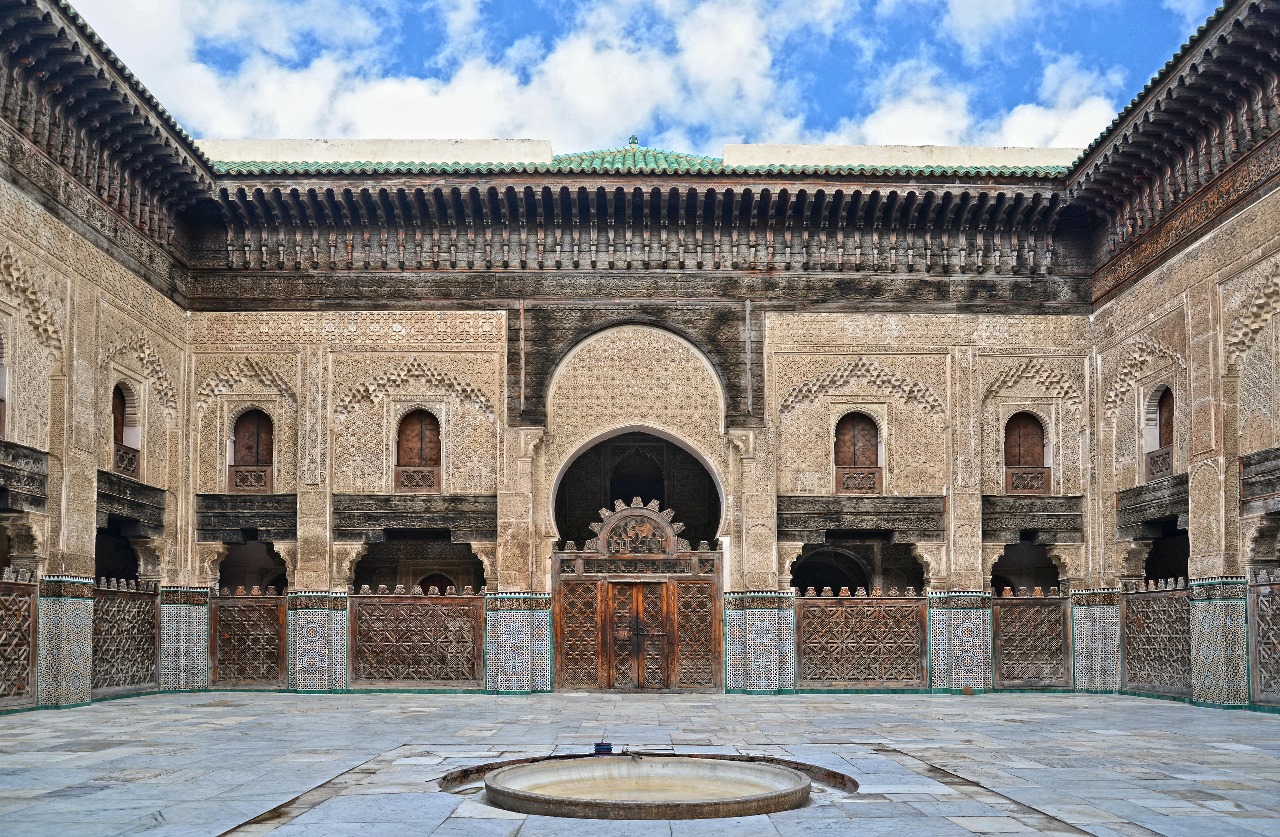
Essential Sites in Fes
- Bou Inania Madrasa: Stunning 14th-century Islamic architecture with intricate tilework
- Chouara Tannery: Historic leather-dyeing pits offering rooftop viewpoints
- Royal Palace: Magnificent golden doors and beautiful zellige tilework
- Mellah: The historic Jewish quarter with unique architecture
The Sahara Desert Experience
The Sahara Desert ranks among Morocco’s most spectacular natural attractions, covering approximately 3.5 million square miles across North Africa. Morocco’s portion offers accessible desert experiences through Merzouga and Zagora, where towering sand dunes create otherworldly landscapes.
Erg Chebbi’s dunes near Merzouga reach heights of 150 meters, providing perfect conditions for camel treks and overnight desert camps. As of 2026, sustainable tourism initiatives ensure these fragile ecosystems remain protected while offering authentic Berber cultural experiences.
Many travelers combine desert adventures with visits to the top attractions in Morocco by joining comprehensive tours. Roving Morocco Tours offers expertly guided journeys connecting imperial cities with desert landscapes.
Chefchaouen: The Blue Pearl
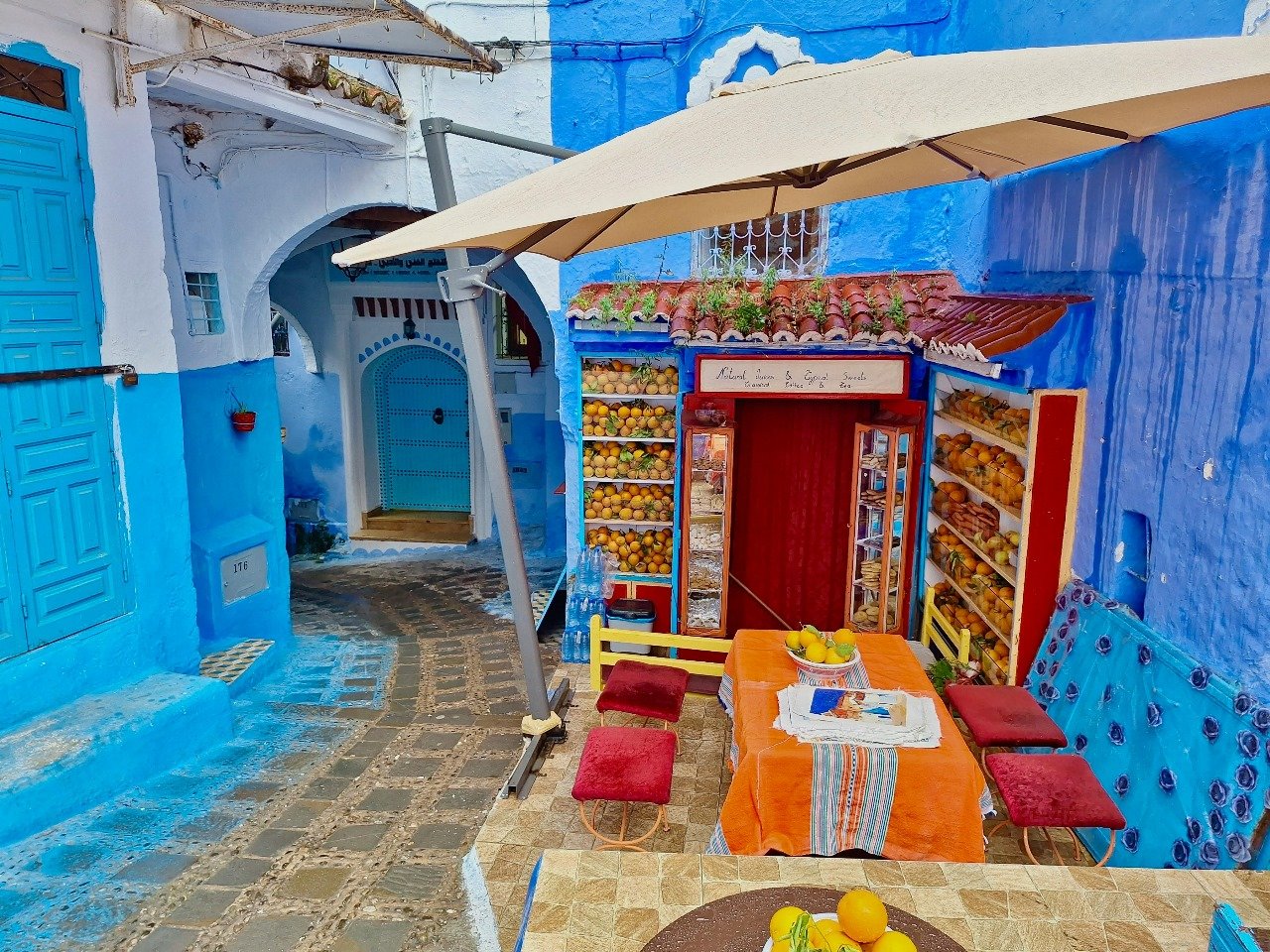
Nestled in the Rif Mountains, Chefchaouen captivates visitors with its distinctive blue-washed buildings and relaxed atmosphere. Founded in 1471, this mountain town offers a refreshing contrast to Morocco’s bustling imperial cities.
The blue color tradition reportedly originated with Jewish refugees in the 1930s, symbolizing heaven and spirituality. Today, photographers worldwide consider Chefchaouen one of the most photogenic destinations in North Africa.
Casablanca’s Modern Marvels
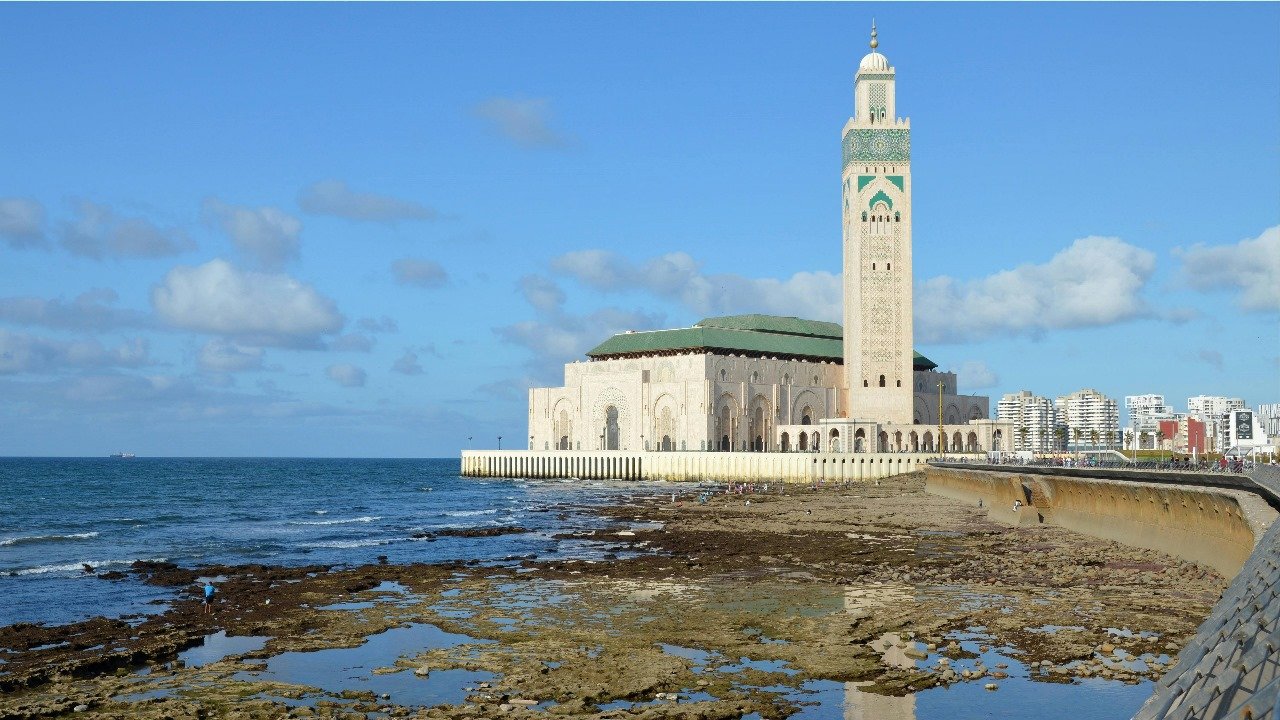
While Casablanca represents Morocco’s economic powerhouse, it features remarkable attractions blending contemporary and traditional elements. The Hassan II Mosque stands as the world’s tallest minaret at 210 meters, partially built over the Atlantic Ocean.
According to architectural documentation, this magnificent structure accommodates 25,000 worshippers inside and 80,000 in its courtyard. The mosque welcomes non-Muslim visitors through guided tours, offering insights into Islamic architecture and Moroccan craftsmanship.
One common misconception suggests Casablanca lacks historical significance—however, the Old Medina, Art Deco architecture, and Habous Quarter reveal rich cultural heritage beyond the modern façade.
Atlas Mountains Adventures
The Atlas Mountains stretch 2,500 kilometers across Morocco, offering hiking, skiing, and cultural exploration opportunities. Toubkal National Park contains North Africa’s highest peak at 4,167 meters, attracting mountaineers from around the globe.
Traditional Berber villages dot the mountain valleys, where locals maintain centuries-old customs and architectural styles. Visitors can experience authentic hospitality, sample traditional cuisine, and purchase handcrafted goods directly from artisans.
Popular Atlas Mountain Activities
- Multi-day trekking expeditions to Mount Toubkal summit
- Day trips to Ourika Valley’s waterfalls and markets
- Winter skiing at Oukaimeden resort
- Cultural immersion in Berber villages
- Scenic drives through Tizi n’Tichka pass
Essaouira: Coastal Charm
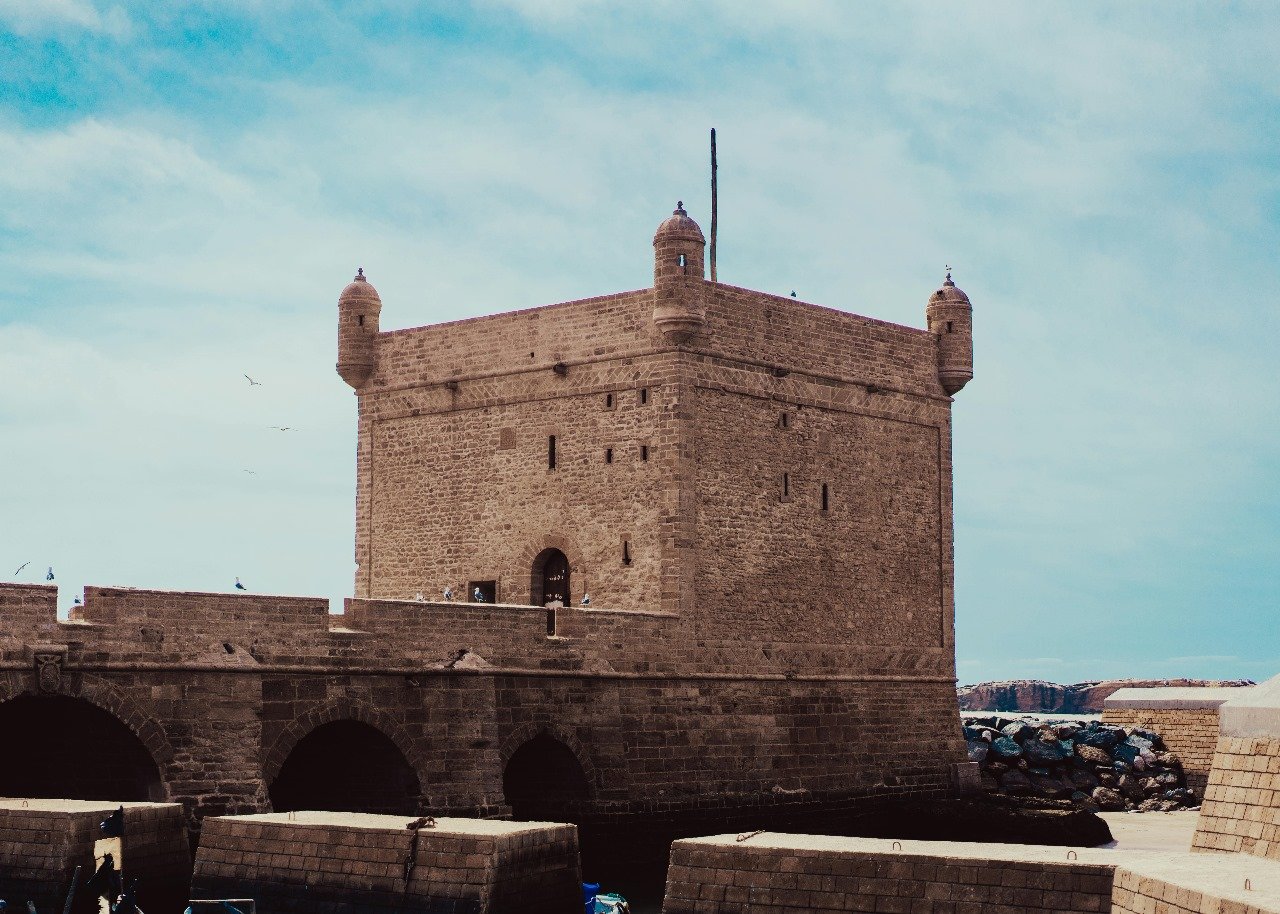
This Atlantic coastal town combines Portuguese military architecture with Moroccan culture, creating a unique atmosphere beloved by artists and musicians. The UNESCO-protected medina features white-and-blue buildings, historic ramparts, and a bustling fishing port.
Essaouira’s consistent trade winds make it North Africa’s premier windsurfing and kitesurfing destination. The annual Gnaoua World Music Festival attracts international performers and thousands of visitors each June.
For those planning multiple destinations, exploring our travel blog provides valuable insights and itinerary suggestions.
Aït Benhaddou: Ancient Fortified City
This striking ksar (fortified village) represents traditional pre-Saharan architecture and serves as one of Morocco’s most photographed locations. UNESCO recognition came in 1987, acknowledging its outstanding universal value and preservation importance.
Hollywood has featured Aït Benhaddou in numerous productions, including “Gladiator,” “Game of Thrones,” and “Lawrence of Arabia.” The earthen clay architecture against desert mountains creates dramatic visual appeal year-round.
According to Morocco’s Ministry of Tourism, visitor numbers to Aït Benhaddou increased by 35% between 2019 and 2025, reflecting growing appreciation for Morocco’s diverse attractions.
Frequently Asked Questions
What are the must-see top attractions in Morocco for first-time visitors?
First-time visitors should prioritize Marrakech’s Jemaa el-Fnaa, Fes medina, the Sahara Desert, and Chefchaouen. These destinations showcase Morocco’s cultural diversity, historical significance, and natural beauty. A 10-14 day itinerary allows comfortable exploration of these highlights without rushing.
How many days do you need to visit Morocco’s top attractions?
A minimum of 7-10 days allows visitors to experience Morocco’s major attractions, though 14 days provides more comprehensive coverage. This timeframe permits visits to imperial cities, desert experiences, and coastal towns while accounting for travel time between destinations.
Is it safe to visit Morocco’s tourist attractions in 2026?
Morocco remains one of North Africa’s safest tourist destinations, with well-established tourism infrastructure and visitor-friendly policies. Standard travel precautions apply, and booking with reputable operators like established tour companies enhances safety and experience quality.
What is the best way to travel between Morocco’s top attractions?
Options include private guided tours, rental cars, trains (connecting major cities), and domestic flights. Guided tours offer convenience, local expertise, and efficient routing. Morocco’s train network, operated by ONCF, connects Casablanca, Rabat, Fes, Marrakech, and Tangier efficiently.
Do I need a guide to visit Morocco’s top attractions?
While independent travel is possible, professional guides enhance experiences significantly through cultural insights, language assistance, and navigation of complex medinas. Certain sites like the Sahara Desert and Atlas Mountains benefit greatly from local expertise for safety and authentic interactions.
What should I wear when visiting Morocco’s religious and cultural attractions?
Modest clothing respects local customs—shoulders and knees should be covered, especially when visiting mosques, medinas, and rural areas. Lightweight, breathable fabrics work best for Morocco’s climate. Women may want to carry a scarf for entering religious sites or conservative areas.
Morocco’s remarkable diversity ensures every traveler discovers something extraordinary. Whether you’re drawn to architectural masterpieces, natural wonders, or cultural immersion, the top attractions in Morocco deliver unforgettable experiences that blend ancient traditions with contemporary hospitality.
From the imperial cities’ grandeur to the Sahara’s silent beauty, Morocco invites exploration beyond typical tourist paths. Planning your journey with knowledgeable guides and realistic timeframes ensures you experience the country’s magic fully. Read traveler testimonials to learn how others have discovered Morocco’s treasures, and start planning your own Moroccan adventure today.