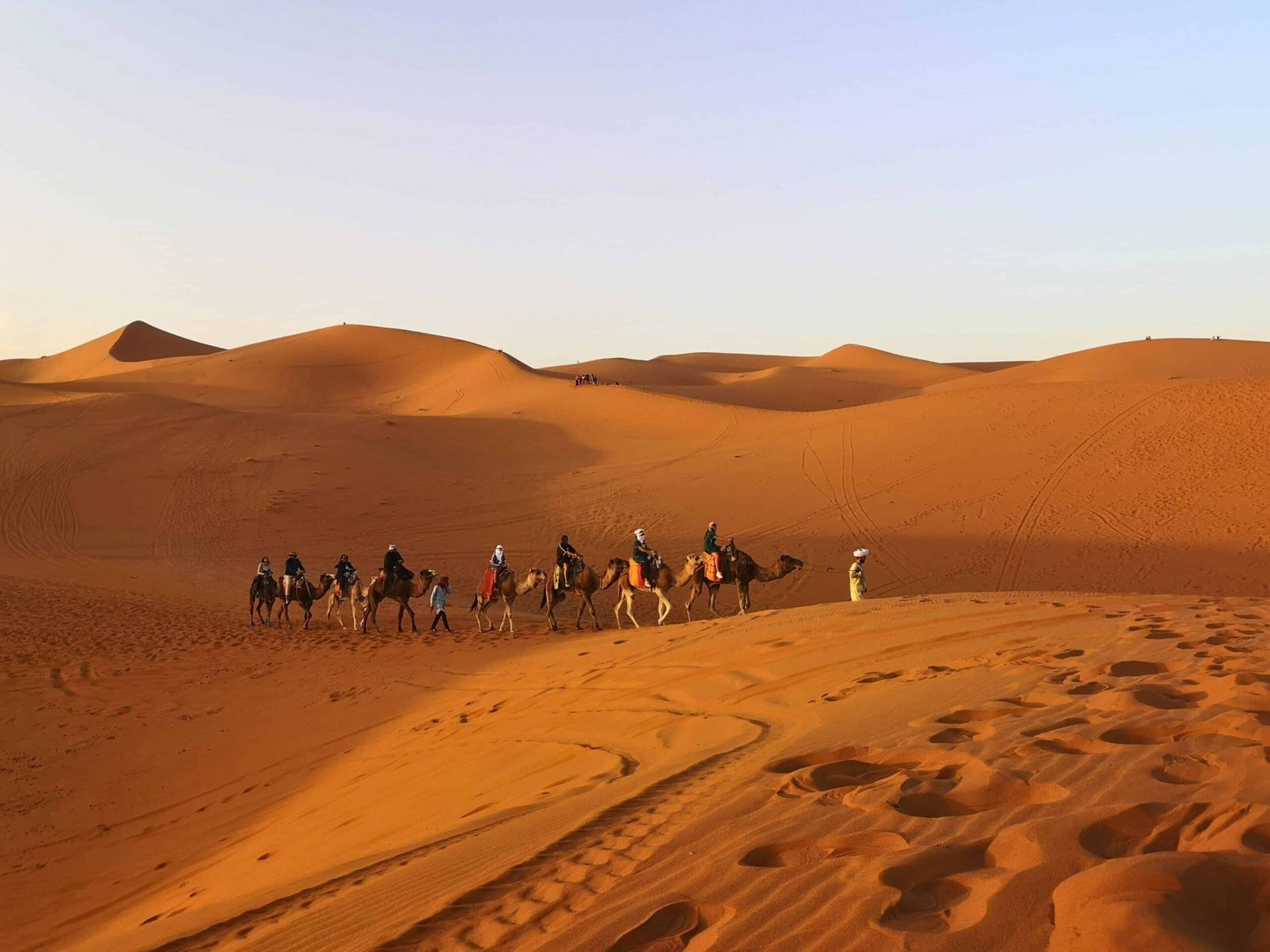
Morocco has become one of Africa’s most popular tourist destinations, attracting millions of visitors annually with its vibrant souks, stunning desert landscapes, and rich cultural heritage. But is Morocco safe to visit for travelers considering their next adventure? The short answer is yes—Morocco is generally a safe country for tourists, with a well-developed tourism infrastructure and welcoming hospitality. However, like any international destination, it’s essential to understand the local safety landscape, take sensible precautions, and stay informed about current conditions.
This comprehensive guide will help you navigate safety considerations, understand potential risks, and prepare for a secure and enjoyable Moroccan experience.
Overall Safety Rating for Morocco
According to the U.S. Department of State, Morocco maintains a Level 1 travel advisory (Exercise Normal Precautions) for most of the country as of 2026. This places Morocco in the same category as many European destinations, indicating a relatively low-risk environment for international visitors.
The Moroccan government has invested heavily in tourism infrastructure and security measures over the past decade. With over 13 million tourists visiting in 2024 according to Morocco’s Ministry of Tourism, the country has developed robust systems to protect visitors while maintaining its authentic cultural character.
Morocco ranks as one of Africa’s safest tourist destinations, with violent crime against tourists being extremely rare. The tourism industry is a major economic driver, and locals generally treat visitors with hospitality and respect.
Crime and Petty Theft Concerns
While violent crime is uncommon in Morocco, petty theft and scams targeting tourists do occur, particularly in crowded areas and major tourist cities. Pickpocketing is the most frequently reported crime, especially in medinas (old city centers), busy markets, and popular tourist attractions.
Common Scams to Watch For
Travelers should be aware of several common scams. False guides may approach tourists offering unsolicited help navigating the medina, then demanding payment. Some merchants use aggressive sales tactics or quote inflated prices to foreigners. Occasionally, locals may claim attractions are closed and offer alternative “authentic” experiences that come with hidden costs.
The best defense against these situations is polite but firm refusal, negotiating prices beforehand, and booking official tours through reputable companies. Keeping valuables secure and maintaining awareness in crowded spaces will help prevent most petty crime incidents.
Terrorism and Political Stability
Morocco has maintained relative political stability compared to neighboring North African countries. The government has implemented comprehensive counter-terrorism measures, and security forces maintain a visible presence in tourist areas and major cities.
While terrorism remains a global concern, Morocco has not experienced a major terrorist incident targeting tourists since 2011. The country’s security apparatus works closely with international partners to monitor and prevent potential threats. According to the United Nations, Morocco’s approach to preventing violent extremism has been recognized as a regional model.
Important Note: The Western Sahara region near the Algerian border has travel restrictions and requires special permissions. Standard tourist itineraries avoid these areas entirely.
Health and Medical Safety
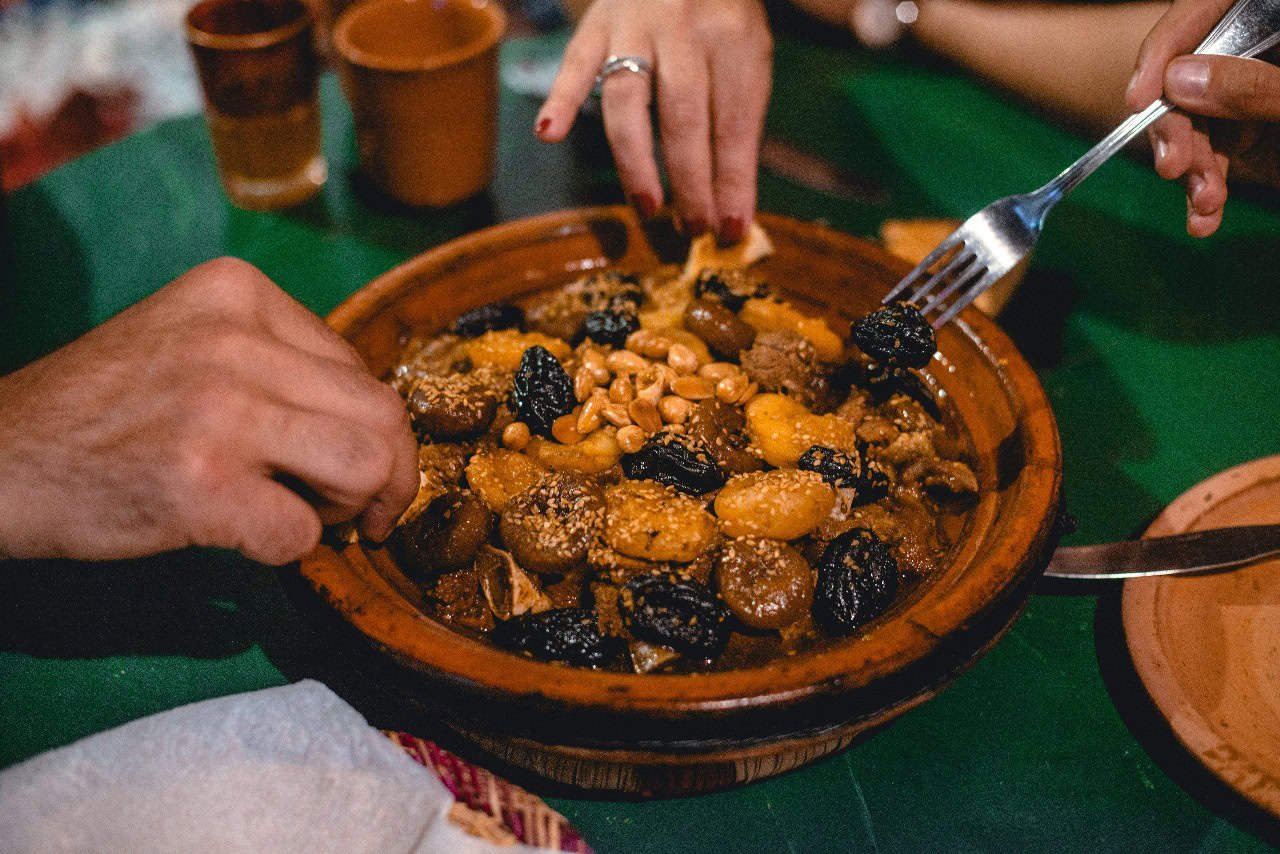
Morocco poses minimal serious health risks for most travelers. The country has modern medical facilities in major cities, though rural areas may have limited healthcare access. Tap water is generally not recommended for drinking, but bottled water is widely available and inexpensive.
Common Health Considerations
- Food and Water: Stick to bottled water and eat at established restaurants to minimize digestive issues
- Vaccinations: Routine vaccines should be up-to-date; Hepatitis A and Typhoid are recommended by the World Health Organization
- Sun Protection: Morocco’s strong sun requires sunscreen, hats, and hydration, especially in desert regions
- Travel Insurance: Comprehensive coverage is essential for medical emergencies and evacuation if needed
Pharmacies (marked with green crescents) are common in cities and can provide many medications without prescription. However, travelers should bring sufficient supplies of prescription medications in original packaging.
Transportation Safety in Morocco
Morocco’s transportation infrastructure varies significantly between urban and rural areas. Major cities have modern airports, train systems, and highways, while mountain and desert roads may be challenging.
Road safety is perhaps the most significant concern for travelers. Morocco has a higher traffic accident rate than many Western countries, with driving standards and road conditions varying considerably. Hiring a professional driver through an established tour company is often the safest option, especially for long-distance travel.
Transportation Options
Train travel between major cities (Casablanca, Rabat, Marrakech, Fes) is comfortable, affordable, and safe. The Al Boraq high-speed train connecting Casablanca and Tangier rivals European rail standards. Domestic flights are reliable for covering long distances quickly.
For intercity buses, choose reputable companies like CTM or Supratours. Taxis are ubiquitous but should be metered (petit taxis) or price-negotiated beforehand (grand taxis). Ride-sharing apps are available in major cities and provide transparent pricing.
Essential Safety Tips for Travelers
Following practical safety guidelines will significantly enhance your Moroccan experience. Most issues tourists face are preventable with awareness and preparation.
Dress Code: While Morocco is relatively liberal, modest dress is respectful and helps avoid unwanted attention. Cover shoulders and knees, especially outside tourist zones and in rural areas.
Money Matters: Divide cash and cards between different locations. Use ATMs inside banks during business hours. Keep small bills separate for minor purchases and tips. Notify your bank of travel plans to prevent card blocks.
Communication: Learn basic French or Arabic phrases. Download offline maps. Share your itinerary with family or friends. Keep emergency contacts accessible, including your country’s embassy in Rabat.
Valuables: Leave expensive jewelry at home. Use hotel safes for passports and excess cash. Carry only what you need for the day. Consider a money belt for documents and cards.
Safety for Women Travelers
Is Morocco safe to visit for women traveling alone? Yes, though women may experience more attention than in Western countries. This typically manifests as catcalling or persistent sales pitches rather than physical threats. Many women travel Morocco safely each year by following sensible precautions.
Female travelers report feeling safer when dressing conservatively, wearing sunglasses to avoid direct eye contact with harassers, and walking confidently. Ignoring unwanted attention (don’t engage or respond) is usually the most effective strategy. Consider joining group tours for certain activities and accommodations in riads (traditional guesthouses) where staff know you.
Correcting a Misconception: Many travelers assume Morocco is unsafe for solo female travelers due to its conservative culture. In reality, Morocco is safer than many Western cities in terms of violent crime. The attention women receive, while sometimes uncomfortable, rarely escalates beyond verbal harassment.
For additional support and guidance, check out our frequently asked questions or contact our experienced travel team.
Safest Cities and Regions to Visit
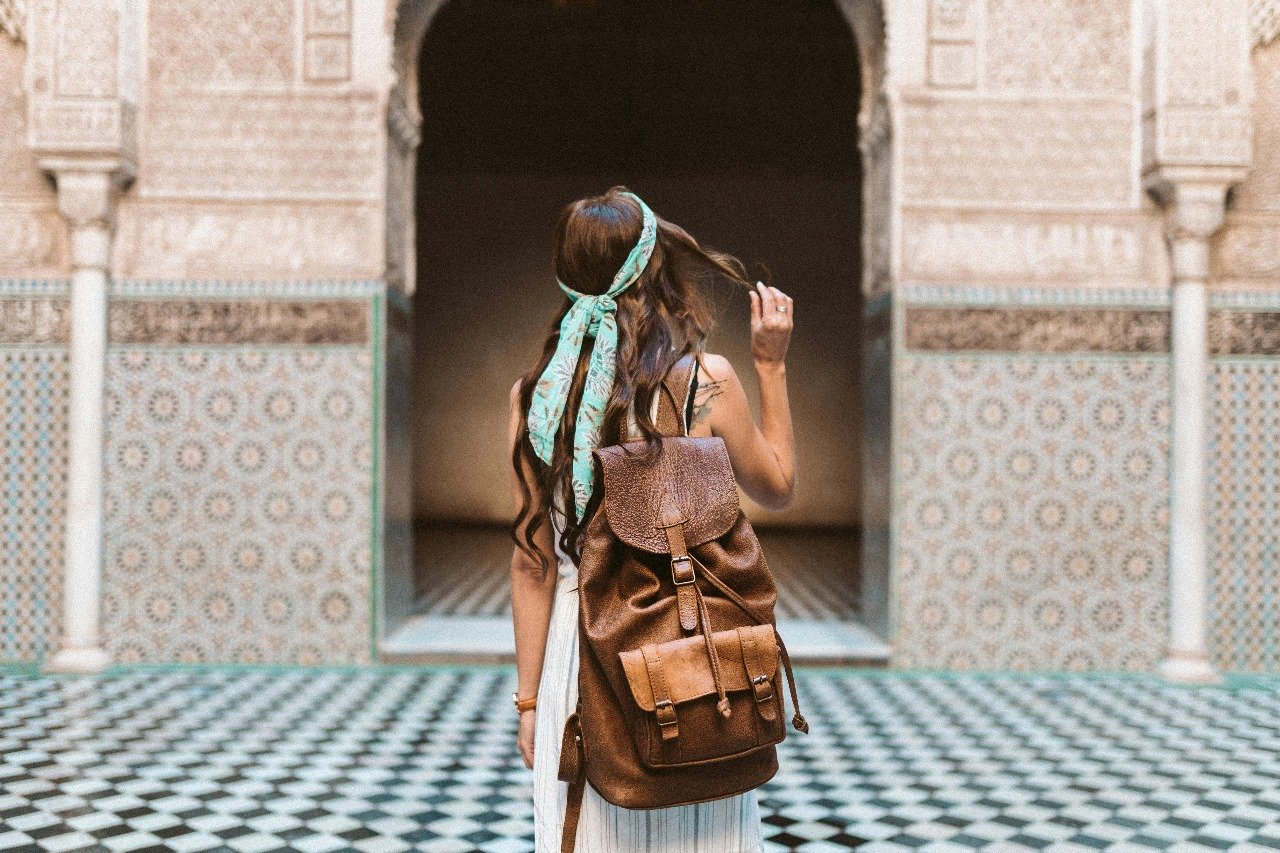
Most tourist destinations in Morocco are safe and well-patrolled. Marrakech, despite its crowds and occasional hustlers, has strong security in the main square (Jemaa el-Fnaa) and major attractions. Fes offers an authentic medina experience with generally respectful locals accustomed to tourists.
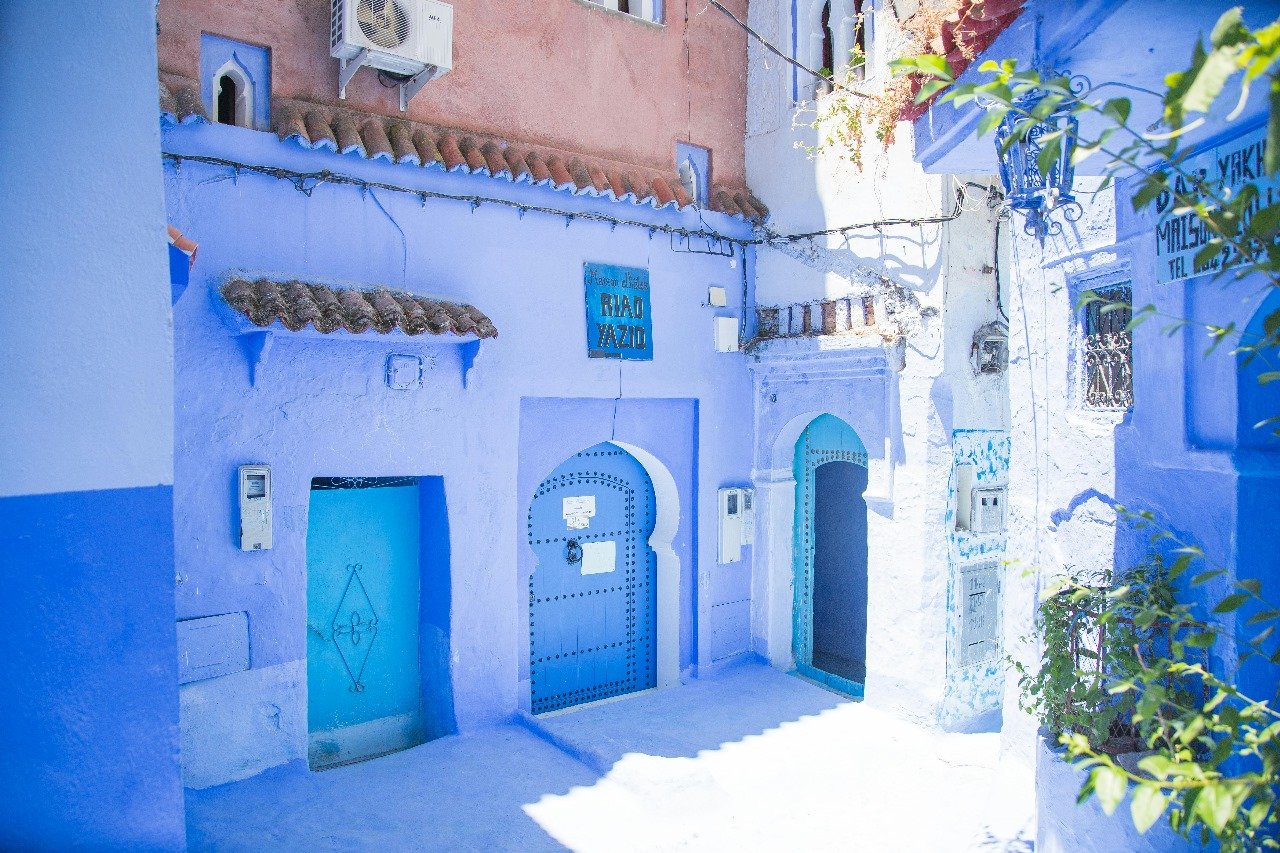
Chefchaouen, the famous blue city in the Rif Mountains, is considered one of Morocco’s safest destinations with a relaxed atmosphere and friendly population. The coastal city of Essaouira combines beach relaxation with a laid-back vibe and minimal harassment.
Casablanca and Rabat, as modern business and capital cities respectively, have lower tourist-targeting crime than traditional tourist hotspots. The Atlas Mountains and Sahara Desert regions are generally safe when visited with reputable guides and tour operators.
Frequently Asked Questions
Is Morocco safe for tourists in 2026?
Yes, Morocco is safe for tourists in 2026. The country maintains a Level 1 travel advisory from the U.S. State Department and welcomes millions of international visitors annually. Violent crime against tourists is rare, though travelers should take standard precautions against petty theft and be aware of common tourist scams.
What are the main safety concerns in Morocco?
The primary safety concerns are petty theft (pickpocketing in crowded areas), tourist scams (false guides, inflated prices), and traffic accidents. Food and water safety requires attention, and women travelers may experience unwanted verbal attention. These risks are manageable with awareness and basic precautions.
Do I need travel insurance for Morocco?
Yes, comprehensive travel insurance is highly recommended for Morocco. Coverage should include medical treatment and emergency evacuation, as healthcare in remote areas may be limited. Insurance should also cover trip cancellation, lost luggage, and theft of valuables.
Can I drink tap water in Morocco?
No, tap water in Morocco is not recommended for drinking by tourists. Bottled water is inexpensive and widely available. Use bottled water for drinking and brushing teeth. Ice in tourist establishments is usually made from purified water, but verify if unsure.
Is it safe to visit Morocco during Ramadan?
Yes, Morocco is safe to visit during Ramadan, though some restaurants and cafes may have limited hours. Tourist restaurants typically remain open during the day. Visitors should be respectful by not eating, drinking, or smoking in public during daylight hours. The atmosphere is peaceful, and crime rates often decrease during this holy month.
What should I do if I feel unsafe in Morocco?
If you feel unsafe, move to a populated, well-lit area immediately. Tourist police (wearing blue uniforms with “Police Touristique” badges) are stationed in major tourist areas and can assist. Contact your hotel, tour operator, or embassy if needed. The emergency number for police in Morocco is 19. Most situations can be avoided by trusting your instincts and removing yourself from uncomfortable circumstances early.
Conclusion
So, is Morocco safe to visit? Absolutely. With sensible precautions, cultural awareness, and proper planning, Morocco offers a rewarding and secure travel experience. The country’s combination of ancient cities, stunning landscapes, and warm hospitality continues to attract travelers from around the world.
While no destination is entirely without risk, Morocco’s safety profile compares favorably to many popular tourist destinations. The key to a successful trip lies in staying informed, respecting local customs, and partnering with trusted tour operators who know the country intimately.
Whether you’re exploring the bustling souks of Marrakech, trekking in the Atlas Mountains, or riding camels in the Sahara, Morocco’s magic awaits. With the right preparation and awareness, your Moroccan adventure will be memorable for all the right reasons—the breathtaking landscapes, incredible cuisine, and genuine hospitality of the Moroccan people.
Ready to plan your safe and unforgettable Moroccan journey? Explore our travel blog for more destination guides and insider tips.