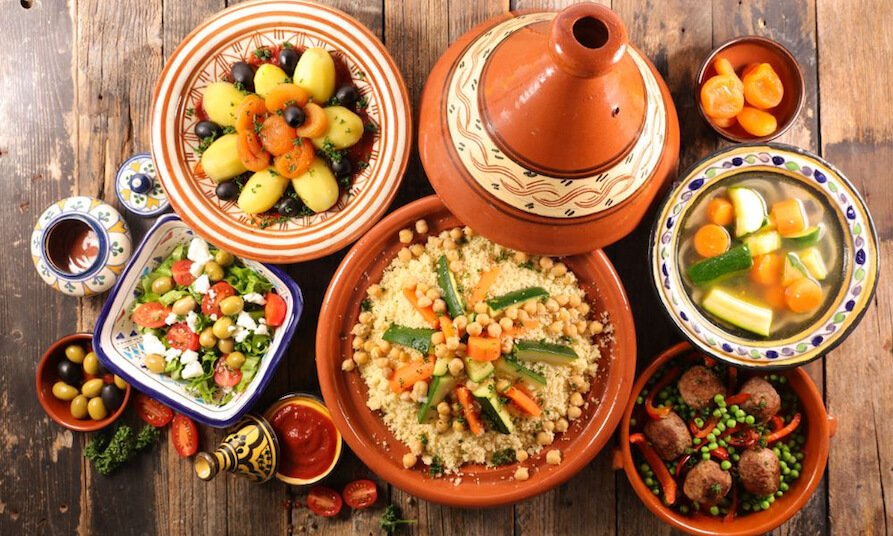
Morocco’s culinary landscape is a sensory feast that blends Berber, Arab, Mediterranean, and Andalusian influences into something truly extraordinary. If you’re searching for the best food in Morocco, you’re about to embark on a journey through centuries of tradition, spice-laden markets, and dishes that tell the story of this North African gem. From the bustling medinas of Marrakech to the coastal towns of Essaouira, Moroccan cuisine offers flavors that will captivate your palate and leave you craving more.
Tagine: Morocco’s Signature Dish
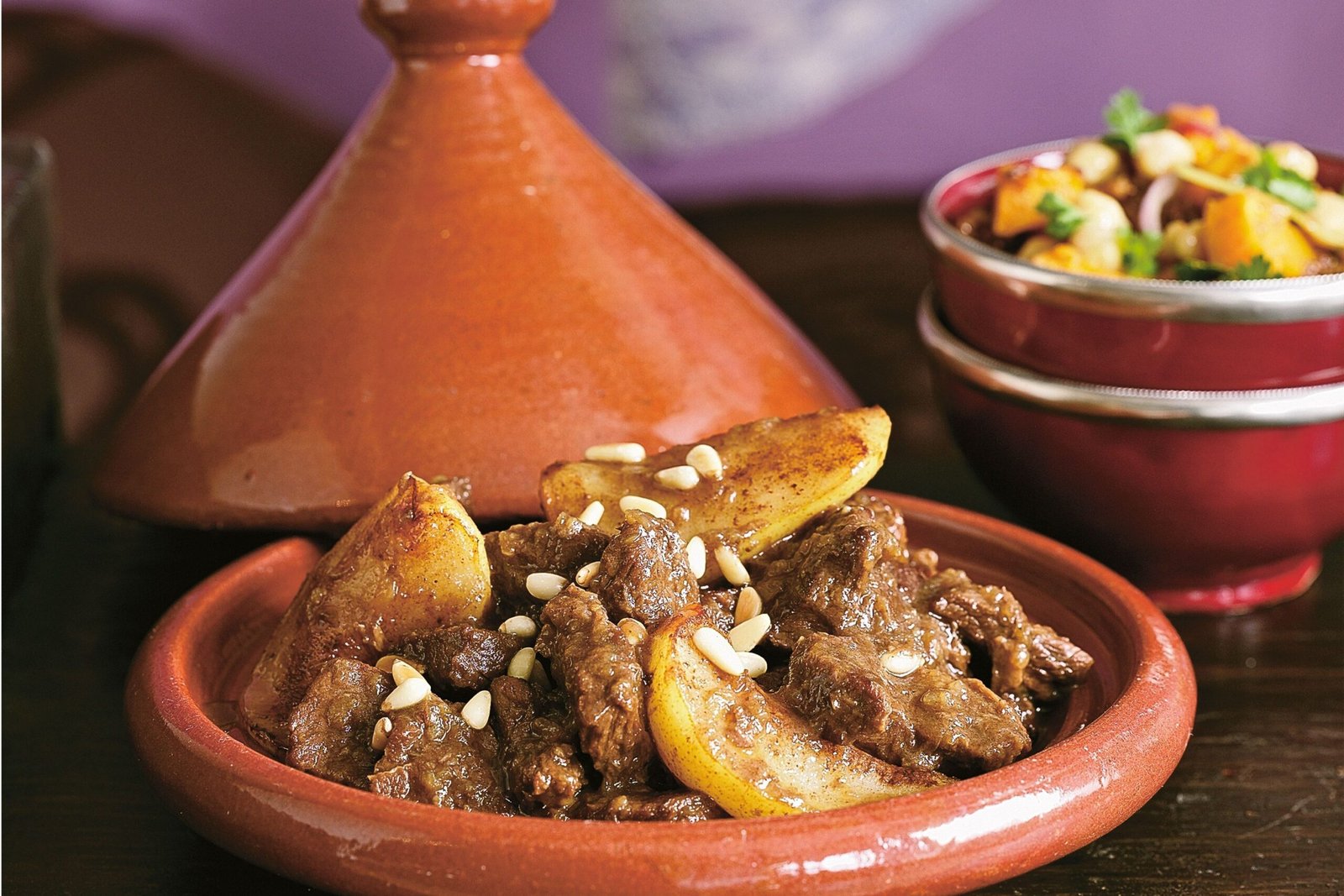
When discussing the best food in Morocco, tagine inevitably tops the list. Named after the distinctive cone-shaped earthenware pot in which it’s cooked, tagine represents the heart of Moroccan home cooking. This slow-cooked stew combines meat or fish with vegetables, dried fruits, and a complex blend of spices that creates layers of flavor.
The most popular varieties include chicken with preserved lemons and olives, lamb with prunes and almonds, and beef with vegetables. According to Wikipedia’s comprehensive guide to Moroccan cuisine, the tagine cooking method dates back centuries and was perfected by Berber communities who needed efficient cooking methods for nomadic life.
One common misconception is that tagine is always spicy. In reality, Moroccan cuisine favors aromatic spices like cumin, coriander, saffron, and cinnamon over heat, creating warmth without overwhelming spiciness.
Couscous: A National Treasure
Couscous holds such cultural significance that UNESCO recognized it as Intangible Cultural Heritage in 2020. This steamed semolina dish, traditionally served on Fridays after communal prayer, represents family, community, and Moroccan identity.
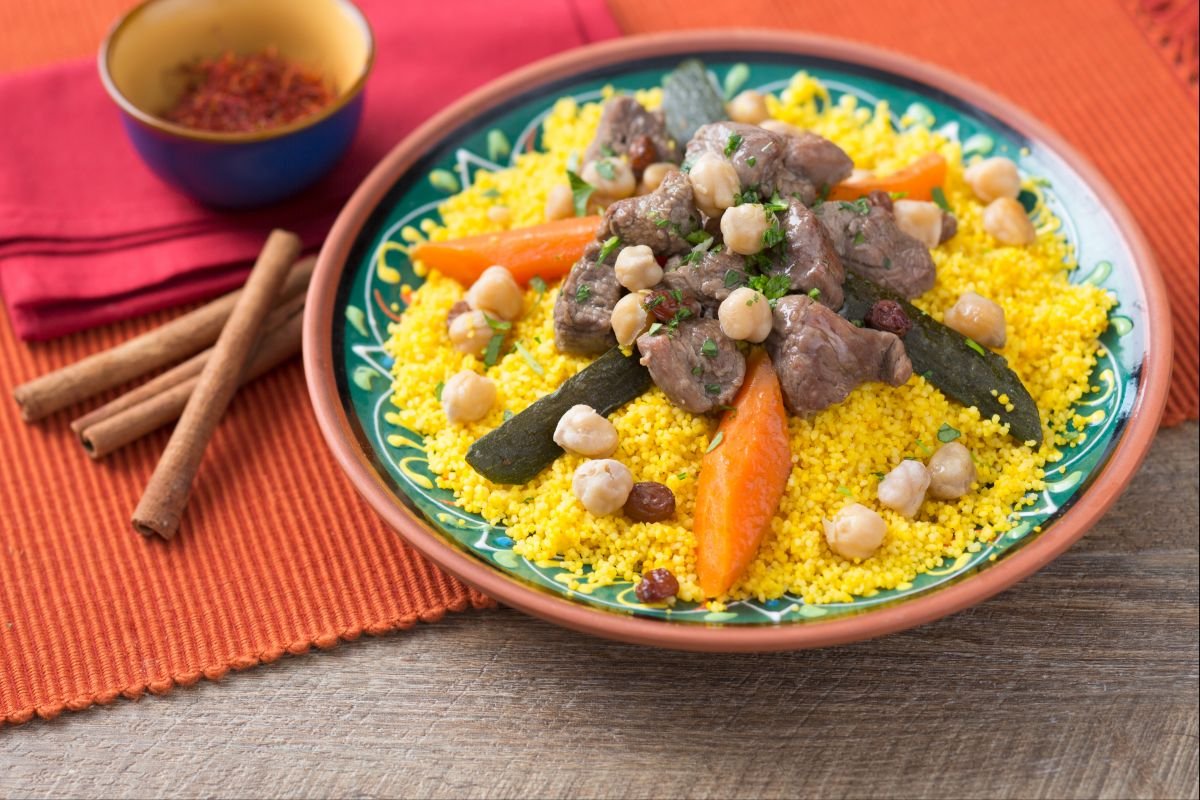
The preparation is an art form. Hand-rolled semolina is steamed multiple times in a couscoussier (special pot) until each grain is perfectly fluffy. It’s typically served with a rich vegetable stew, tender meat, and a flavorful broth that ties everything together.
Regional Couscous Variations
Different regions of Morocco prepare couscous uniquely. In coastal areas, you’ll find seafood couscous with fresh fish and shellfish. In the Atlas Mountains, couscous incorporates lamb and seasonal vegetables. The southern regions often add sweet elements like caramelized onions and raisins, creating a sweet-savory balance.
Street Food Delights
To truly experience the best food in Morocco, you must venture into the street food scene. Morocco’s streets and souks overflow with affordable, delicious options that locals eat daily.
Must-try street foods include:
- Msemen: Flaky, square-shaped flatbread perfect for breakfast with honey or cheese
- Harira: Hearty tomato-based soup with lentils, chickpeas, and meat, traditionally eaten during Ramadan
- Bissara: Creamy fava bean soup drizzled with olive oil and cumin
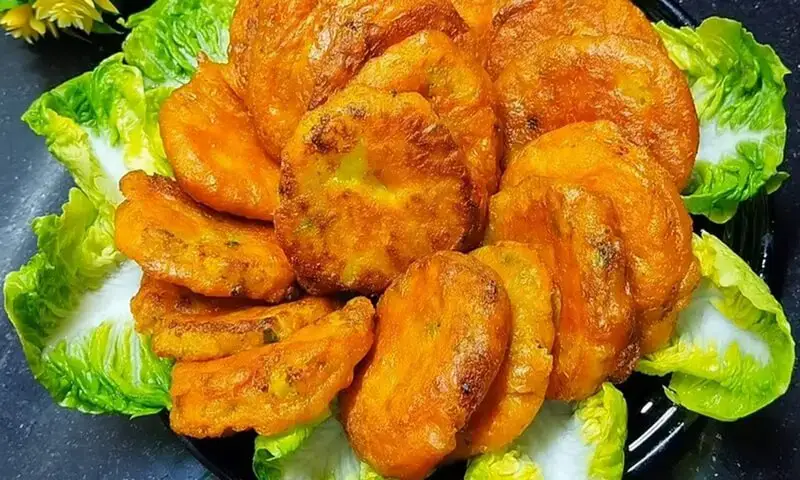
- Maakouda: Crispy potato fritters often served in sandwiches
- Snail soup: A unique delicacy served in the famous Djemaa el-Fna square in Marrakech
- Grilled meats: Skewered kebabs and merguez sausages cooked over charcoal
As of 2024, Morocco’s street food industry contributes significantly to the economy, with thousands of vendors operating in cities nationwide. When you explore Morocco with guided tours, you’ll have opportunities to taste authentic street food safely.
Moroccan Bread and Pastries
Bread (khobz) is sacred in Moroccan culture and accompanies virtually every meal. Round, crusty, and baked fresh daily in communal ovens or at home, khobz serves as both food and utensil for scooping tagines and salads.
Moroccan pastries showcase the country’s sweet side. Chebakia, sesame cookies fried and coated in honey, are Ramadan favorites. Ghoriba, shortbread cookies made with almonds or coconut, melt in your mouth. Sellou, a unique nutty paste made from toasted flour, almonds, and spices, provides energy and is traditionally served to new mothers.
Pastilla: Sweet Meets Savory
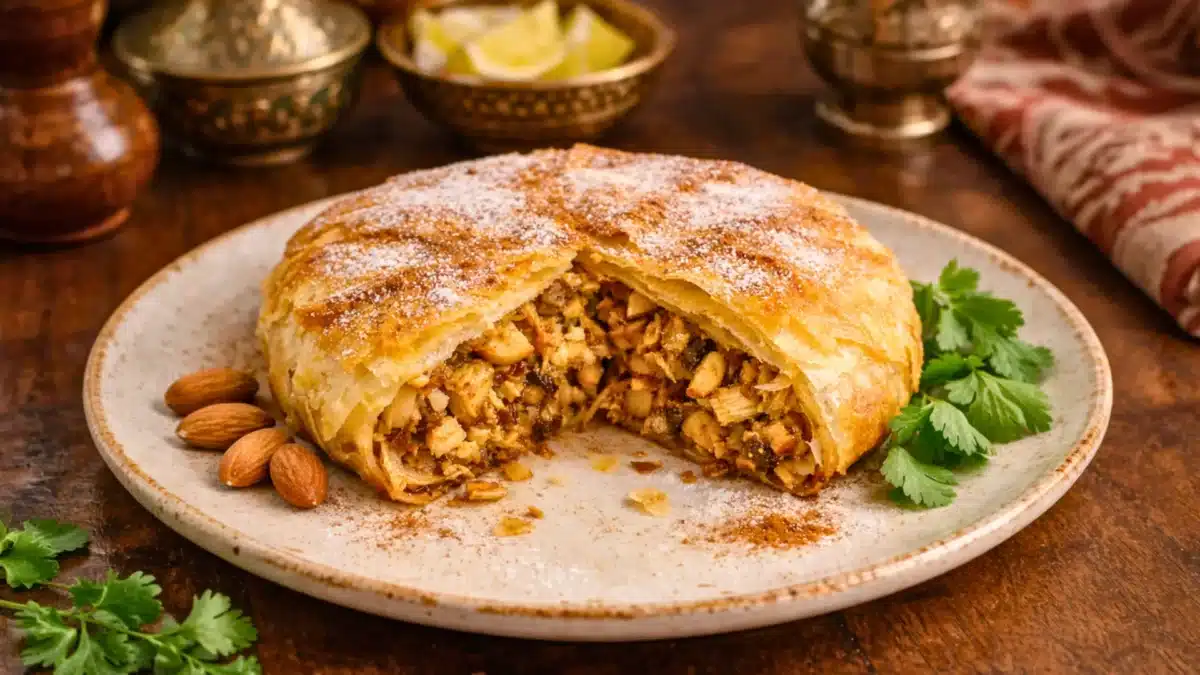
Pastilla (or b’stilla) represents the pinnacle of Moroccan culinary sophistication. This phyllo-wrapped pie traditionally contains pigeon (though chicken is now common), almonds, eggs, and spices, all dusted with powdered sugar and cinnamon. The combination sounds unusual but creates an unforgettable taste experience that epitomizes the best food in Morocco.
Mint Tea: The Soul of Moroccan Hospitality
No discussion of Moroccan cuisine is complete without mentioning atay (mint tea). This sweet, refreshing beverage made from Chinese gunpowder green tea, fresh mint, and abundant sugar is served throughout the day as a symbol of hospitality.
The preparation ceremony is theatrical—tea is poured from a height to create foam, demonstrating skill and respect for guests. Refusing mint tea is considered impolite, so accepting at least one glass is essential when visiting Moroccan homes or shops.
Regional Specialties Worth Seeking
Morocco’s diverse geography creates distinct regional cuisines that add variety to the country’s culinary offerings. Understanding these regional differences helps you appreciate the full spectrum of the best food in Morocco.
Coastal regions like Essaouira and Agadir specialize in fresh seafood. Grilled sardines, fish tagines, and seafood pastilla showcase the Atlantic’s bounty. Fes, Morocco’s culinary capital, is famous for complex dishes like tanjia (slow-cooked meat prepared in an urn) and intricate pastries.
The Atlas Mountains region offers hearty fare suited to cooler climates, including berbere (stuffed flatbread) and meat-heavy tagines. Southern Morocco near the Sahara features dates, nomadic bread cooked in sand, and unique spice blends incorporating rose petals and desert herbs.
When you plan your Moroccan adventure, consider a culinary-focused itinerary that spans multiple regions for the most comprehensive food experience.
Best Places to Experience Moroccan Cuisine
Authentic Moroccan food is found everywhere, from luxury restaurants to humble family-run eateries. For the most genuine experience, seek out local spots where Moroccans eat rather than tourist-oriented establishments.
Food markets (souks) offer incredible variety and freshness. The spice markets alone are worth visiting for their aromatic displays of saffron, cumin, ras el hanout (spice blend), and preserved lemons. Many riads (traditional guesthouses) offer cooking classes where you can learn to prepare dishes yourself.
Djemaa el-Fna square in Marrakech transforms into an open-air restaurant each evening, with dozens of food stalls serving everything from grilled meats to snail soup. While touristy, it remains an essential culinary experience. For more information about planning your visit, check the About Us section to learn how expert guides can enhance your food journey.
Dining Etiquette
Understanding Moroccan dining customs enriches your experience. Meals are communal affairs, often eaten from shared platters using bread to scoop food. The right hand is used for eating (the left is considered unclean). Wait for your host to say “Bismillah” (in the name of God) before beginning, and compliment the food generously.
Quick Tip: Best Food in Morocco
For the ultimate Moroccan food experience: Visit during Ramadan to taste special dishes like harira and chebakia, join a cooking class in a traditional riad, explore local souks early in the morning for the freshest ingredients, and don’t shy away from street food—it’s where you’ll find the most authentic flavors. Always ask locals for recommendations; Moroccans take pride in their cuisine and love sharing their favorite spots.
Frequently Asked Questions
What is the most popular dish in Morocco?
Tagine is widely considered the most popular and iconic Moroccan dish. This slow-cooked stew, prepared in a distinctive cone-shaped pot, comes in numerous varieties including chicken with preserved lemons, lamb with prunes, and vegetable options. Couscous is equally beloved and traditionally served on Fridays as a family meal.
Is Moroccan food spicy?
Moroccan cuisine is aromatic rather than spicy-hot. While dishes contain many spices like cumin, coriander, turmeric, paprika, and cinnamon, they create warmth and depth rather than heat. Some dishes include harissa (chili paste) on the side, allowing diners to add heat according to preference. The food emphasizes complex flavor profiles over burning spiciness.
Can vegetarians find good food in Morocco?
Absolutely. Morocco offers excellent vegetarian options including vegetable tagines, couscous with seven vegetables, zaalouk (eggplant salad), taktouka (tomato and pepper salad), bissara (fava bean soup), and various bean and lentil dishes. However, be aware that some apparently vegetarian dishes may contain meat-based broths, so clarify when ordering.
What should I eat for breakfast in Morocco?
Traditional Moroccan breakfast includes fresh bread (khobz), olive oil, butter, various jams and honey, olives, soft cheese (jben), msemen or rghaif (flaky flatbreads), and mint tea. In hotels, you’ll often find a mix of Moroccan and continental options. Street vendors sell msemen, beghrir (semolina pancakes), and hard-boiled eggs for quick morning meals.
Where can I learn to cook Moroccan food?
Many riads and cooking schools throughout Morocco offer hands-on cooking classes. These typically include a market visit to purchase fresh ingredients followed by preparation of a complete meal, usually tagine, couscous, or pastilla. Classes range from half-day sessions to multi-day intensive courses. Booking through established tour operators ensures quality instruction and authentic experiences.
How much does food cost in Morocco?
Morocco offers excellent value for food. Street food meals cost $2-5 USD, local restaurants charge $5-10 per person for a full meal, and upscale restaurants range from $15-30. Fresh produce from markets is very affordable. Mint tea costs less than $1 in cafes. Your budget determines whether you eat like a king or a budget traveler, but the quality remains high across price points.
Experiencing the best food in Morocco goes far beyond simply filling your stomach—it’s an immersive cultural journey that engages all your senses. From the aromatic spice markets to the theatrical tea ceremonies, from slow-cooked tagines to flaky pastries dripping with honey, Moroccan cuisine tells the story of a nation where food is love, hospitality is sacred, and every meal is a celebration. Whether you’re savoring a humble bowl of harira from a street vendor or enjoying an elaborate feast in a restored riad, you’re participating in culinary traditions that have been perfected over centuries. To fully appreciate this gastronomic heritage, consider exploring Morocco with knowledgeable guides who can introduce you to hidden culinary gems and authentic experiences. Check out the various tour options and start planning your delicious Moroccan adventure today.