Morocco’s Coastal Geography
Morocco’s unique position gives it access to two distinct marine environments. The Atlantic coast runs from Tangier southward to the Western Sahara, while the Mediterranean coast extends from Tangier eastward to the Algerian border. According to Morocco’s geographic data, this dual-coast configuration creates diverse beach ecosystems with varying water temperatures, wave patterns, and marine life.
The Atlantic beaches tend to have cooler waters and stronger surf, making them ideal for water sports enthusiasts. Mediterranean beaches offer warmer, calmer waters perfect for swimming and family activities. This diversity means Morocco can cater to virtually every beach preference, from adrenaline seekers to peaceful sun-worshippers.
Quick Answer: Morocco’s Top 3 Beaches
1. Legzira Beach – Famous red stone arches and dramatic scenery
2. Essaouira Beach – Perfect wind conditions for kitesurfing
3. Cabo Negro – Mediterranean luxury and calm waters
Best Atlantic Coast Beaches
Legzira Beach
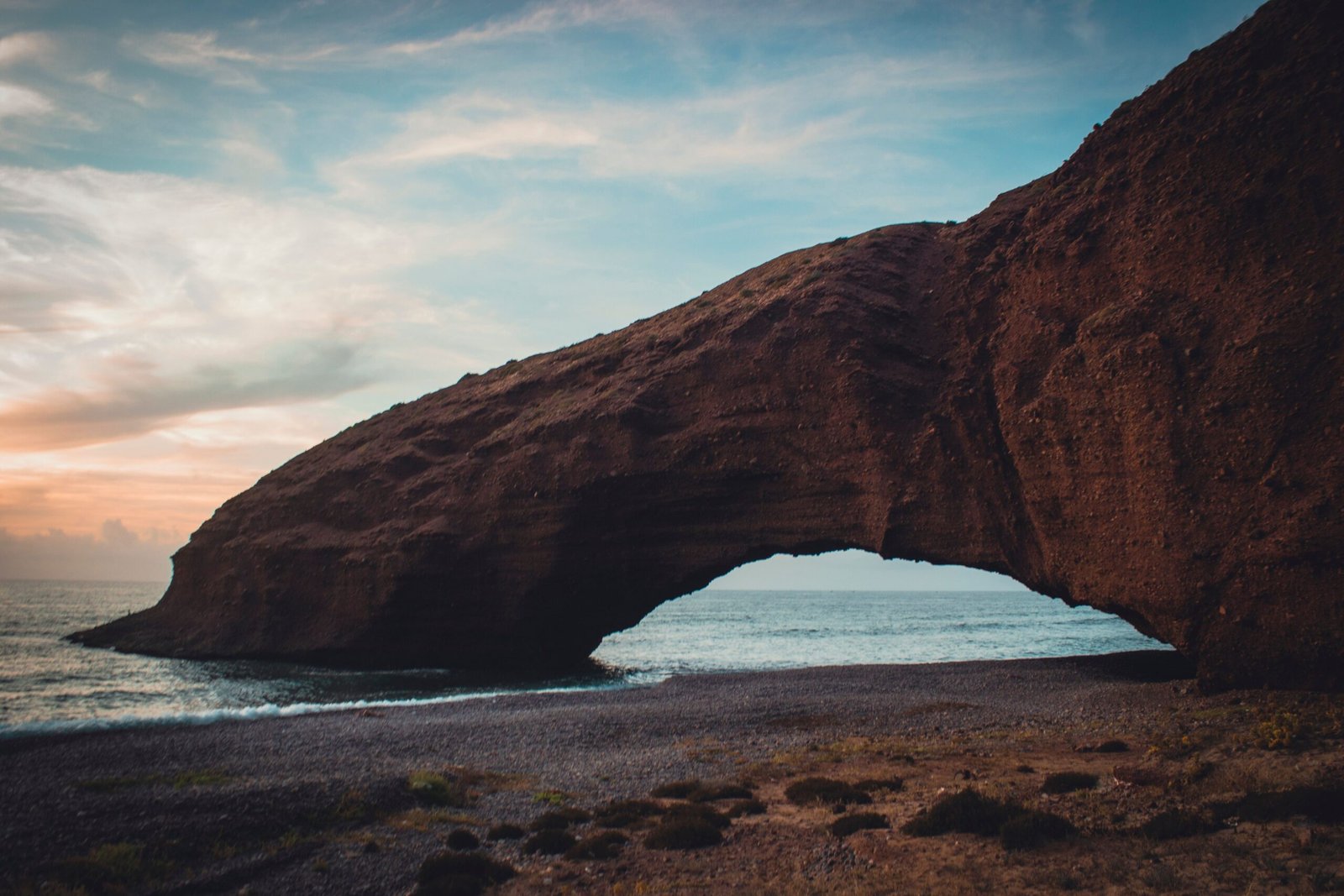
Located near Sidi Ifni, Legzira Beach stands out as one of the most photographed locations among the best beaches in Morocco. Its iconic red stone arches carved by centuries of wind and waves create a surreal landscape. Though one arch collapsed in 2016, the remaining formations still provide breathtaking photo opportunities, especially during sunset when the rocks glow amber.
The beach stretches for nearly 8 kilometers and remains relatively uncrowded even during peak season. Strong currents make swimming challenging, but the dramatic scenery more than compensates. Local surfers appreciate the consistent Atlantic swells that roll in year-round.
Essaouira Beach
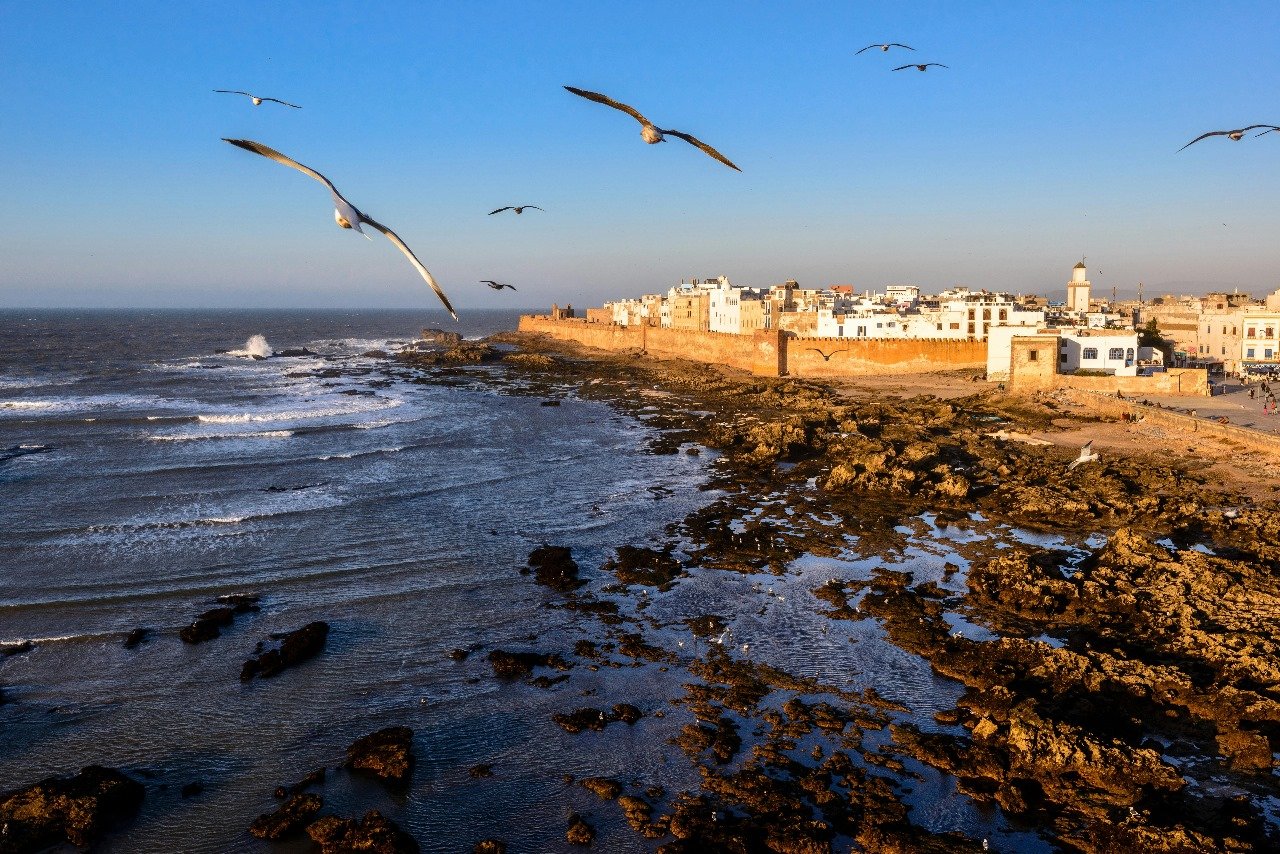
Essaouira’s expansive beach has earned international recognition as a world-class windsurfing and kitesurfing destination. The consistent trade winds that blow from March to October create ideal conditions for water sports. As of 2026, Essaouira hosts several international kitesurfing competitions annually, attracting athletes from across Europe and beyond.
Beyond water sports, the beach offers camel rides, beach football, and fresh seafood grilled right on the sand. The fortified medina provides a stunning backdrop, recognized as a UNESCO World Heritage site since 2001. For those planning a visit, guided tours can help you explore both the beach and historic town.
Agadir Beach
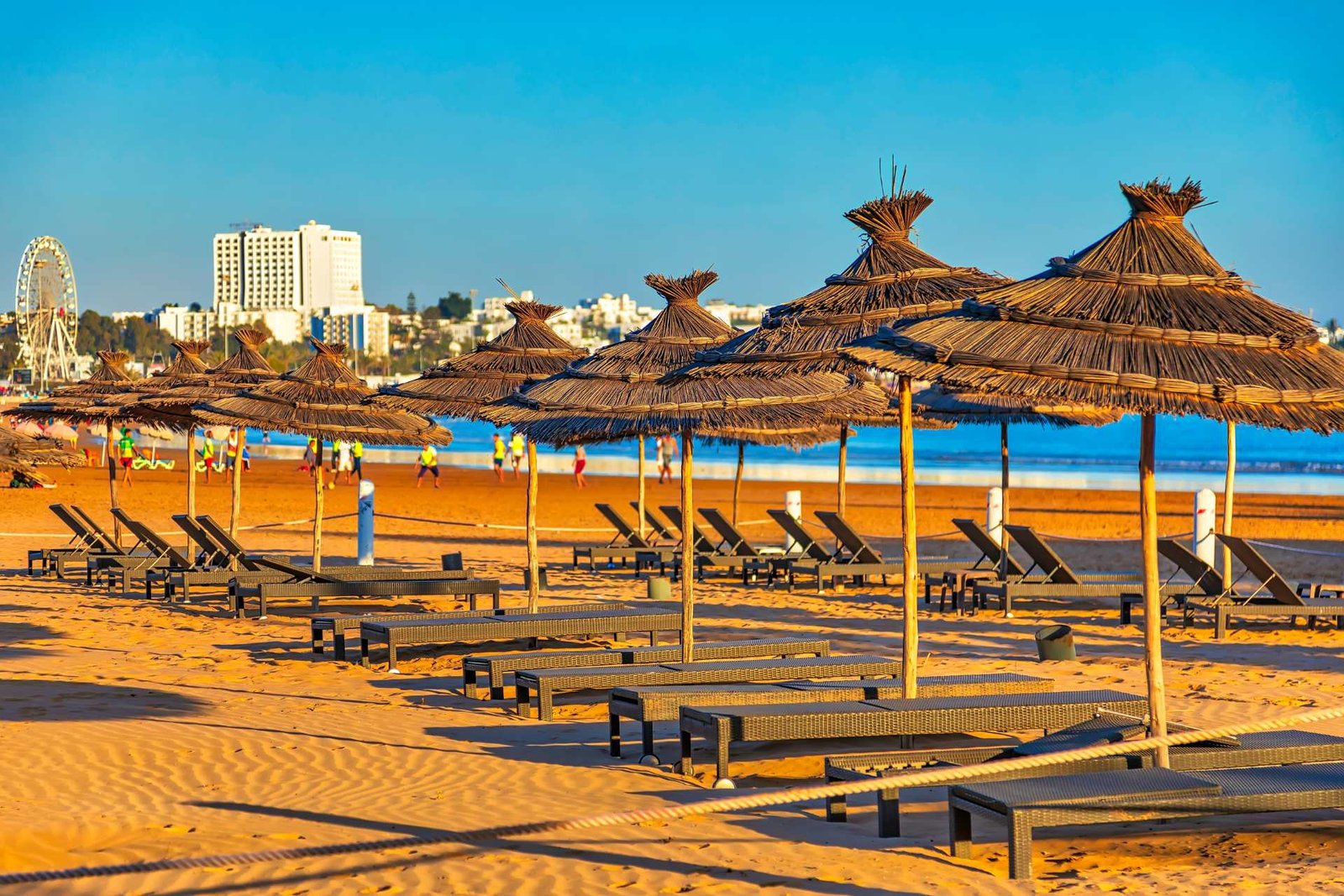
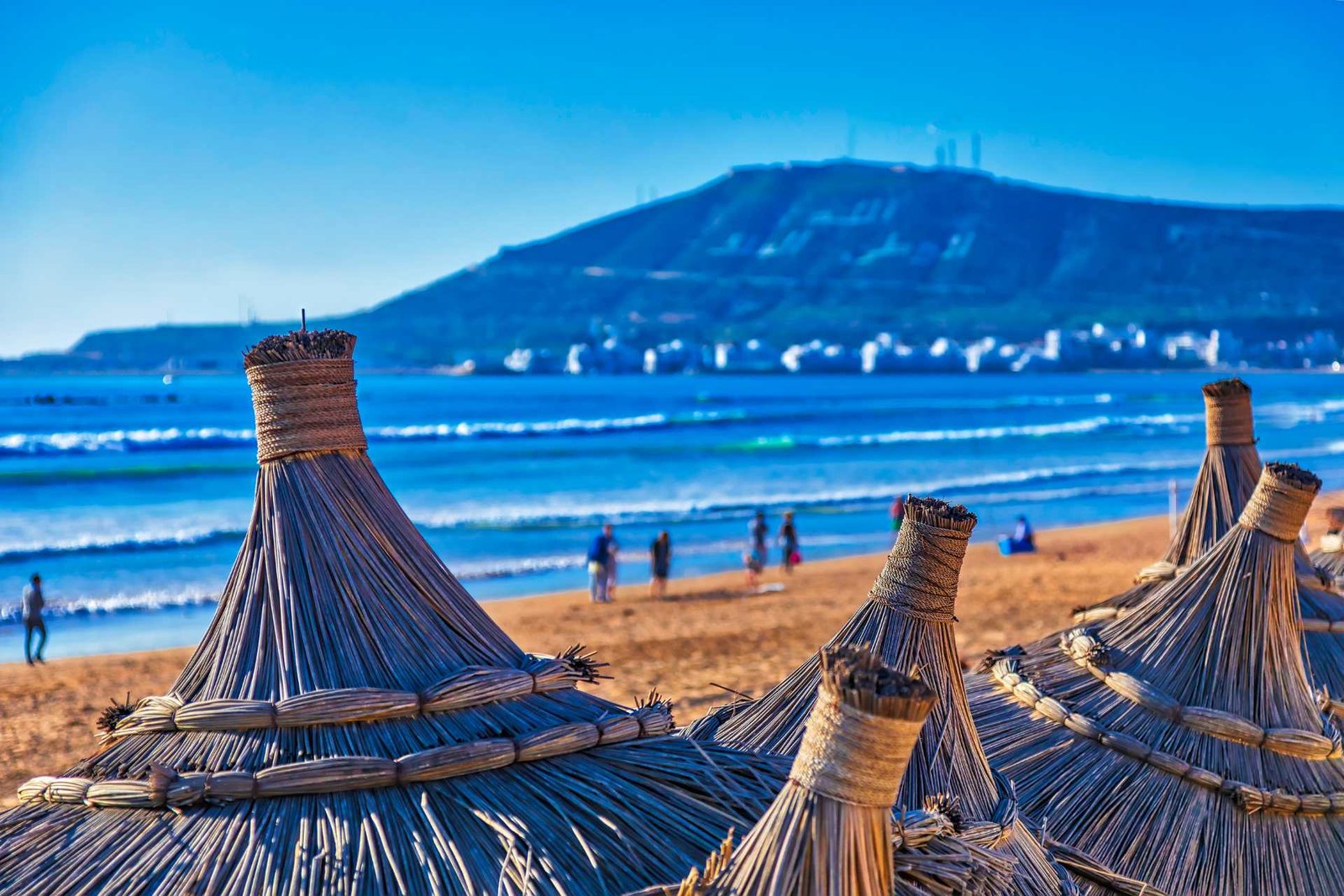
Agadir boasts Morocco’s most developed beach resort area, featuring over 10 kilometers of golden sand. Reconstructed after a devastating 1960 earthquake, modern Agadir focuses primarily on tourism infrastructure. The beach features the full spectrum of amenities: beach clubs, water sports rentals, restaurants, and hotels lining the promenade.
Water temperatures average 18-22°C (64-72°F), making swimming comfortable most of the year. Families particularly appreciate the gentle waves and lifeguard services. The beach maintains Blue Flag status, indicating high environmental and safety standards.
Taghazout Beach
Just north of Agadir, Taghazout has transformed from a sleepy fishing village into Morocco’s surf capital. Multiple beach breaks cater to all skill levels, with surf schools offering lessons year-round. Point breaks like Anchor Point and Killer Point attract experienced surfers seeking long, powerful waves.
The laid-back atmosphere and growing yoga community create a bohemian vibe distinct from Agadir’s resort scene. Accommodation ranges from budget surf hostels to luxury eco-lodges, with many visitors extending their stay far beyond initial plans.
Top Mediterranean Beaches
Cabo Negro Beach
Near Tetouan, Cabo Negro represents Mediterranean Morocco at its finest. The beach features fine white sand and clear turquoise waters that remain calm throughout summer. Exclusive villas and a marina give the area an upscale European resort feel.
Water temperatures reach 24-26°C (75-79°F) in summer, significantly warmer than Atlantic beaches. The protected bay makes it ideal for families with young children and those who prefer gentle swimming conditions.
Saidia Beach
Known as “Blue Pearl,” Saidia stretches 14 kilometers along Morocco’s northeastern coast near the Algerian border. The beach has received Blue Flag certification for its clean waters and environmental management. Purpose-built resorts and a marina attract both Moroccan and European tourists.
The combination of Mediterranean climate, warm waters, and modern infrastructure makes Saidia particularly popular with families. Golf courses and entertainment facilities provide alternatives when beach time becomes too much sun.
Hidden Gems: Secluded Beaches
Paradise Valley Beaches
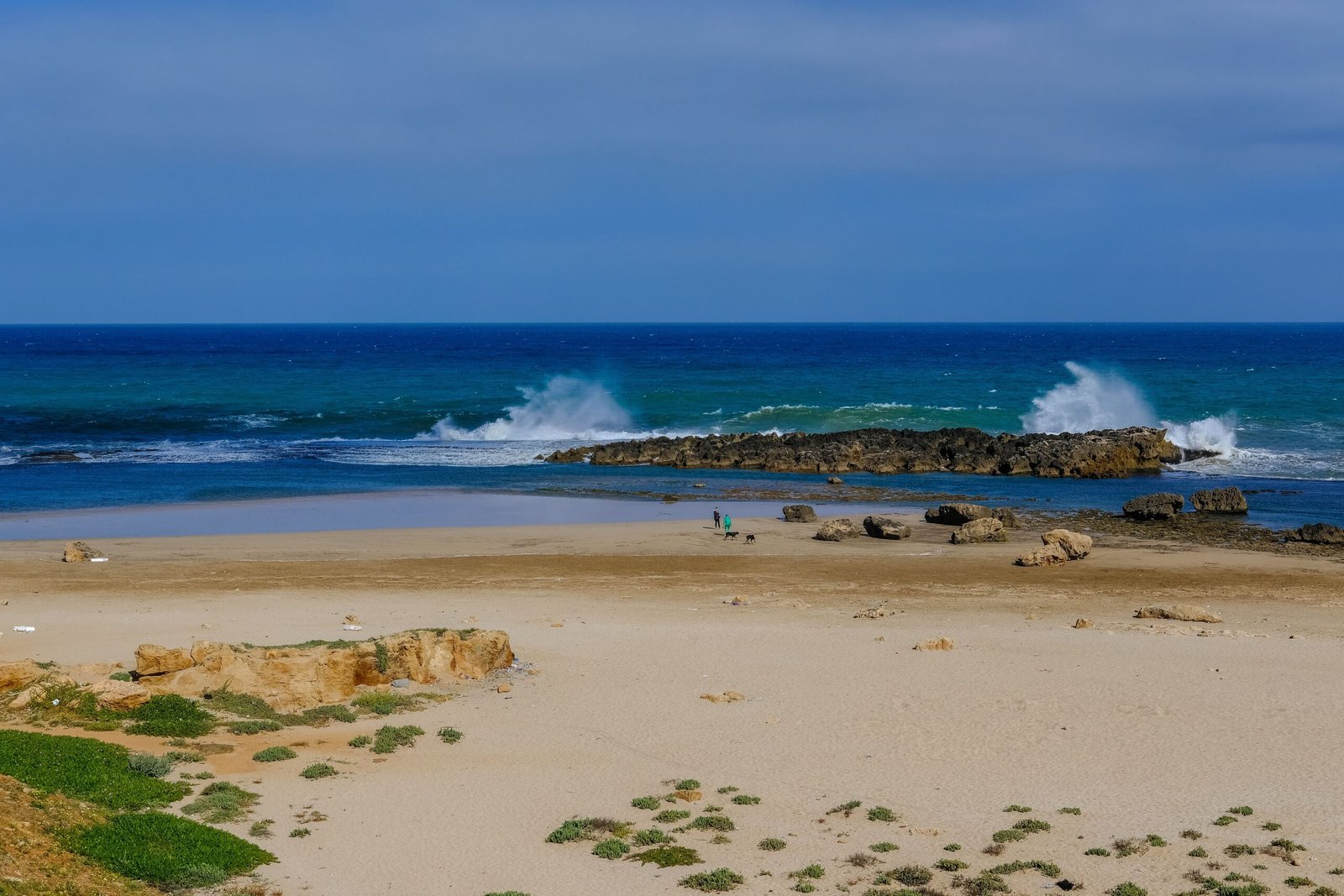
While Paradise Valley itself sits inland near Agadir, the journey to lesser-known coastal spots nearby rewards adventurous travelers. Small beaches accessible only by dirt roads or hiking trails offer privacy impossible to find at major resorts. These hidden spots provide authentic experiences away from commercial development.
Imi Ouaddar
This fishing village north of Agadir remains largely undiscovered by international tourists. The beach combines local authenticity with natural beauty—watch fishermen haul in daily catches while enjoying fresh grilled sardines. The lack of major facilities means bringing your own supplies, but the peaceful atmosphere justifies the minimal planning required.
Moulay Bousselham
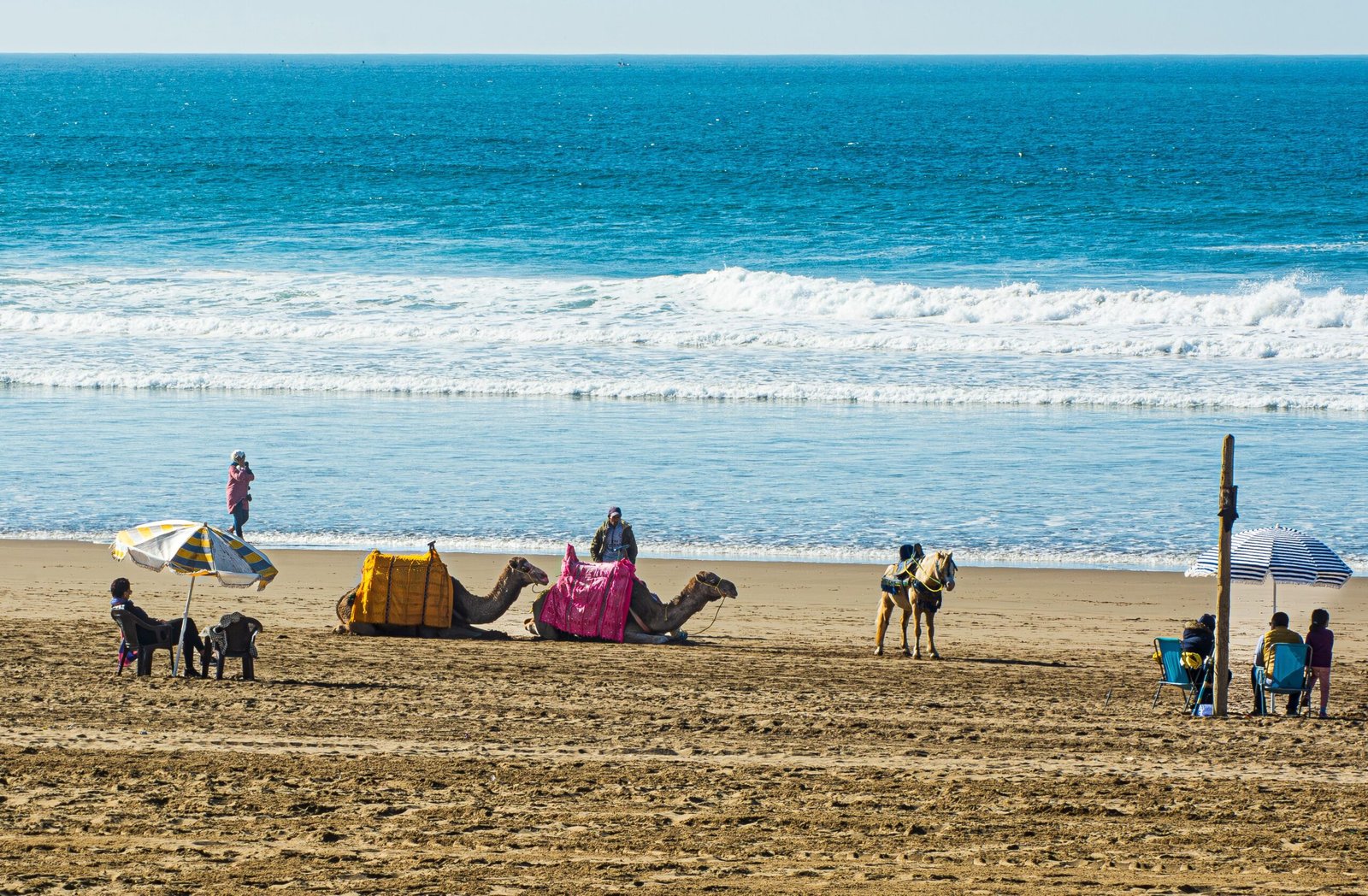
Where a coastal lagoon meets the Atlantic, Moulay Bousselham offers unique birdwatching opportunities alongside beach relaxation. The nearby Merja Zerga wetlands host over 200 bird species, including flamingos and migratory waterfowl. The beach itself remains quiet, with traditional fishing boats adding character to the shoreline.
Best Time to Visit Morocco’s Beaches
Contrary to popular belief, summer (July-August) isn’t always the optimal time for Moroccan beaches. While these months offer guaranteed sunshine, they also bring crowds and higher prices. Consider these alternatives:
- May-June: Warm weather, fewer tourists, and lower accommodation costs make this ideal for most visitors
- September-October: Atlantic waters reach their warmest temperatures, and surf conditions remain excellent
- November-March: Surfers find the best swells, though water temperatures require wetsuits
- December-February: Agadir and southern beaches stay pleasant with temperatures around 20°C (68°F)
Mediterranean beaches are best from June through September when water temperatures peak. Atlantic beaches suit year-round visits depending on your activities—surfing thrives in winter, while swimming and sunbathing peak in late summer and early fall.
Practical Beach Tips for Morocco
Understanding local customs enhances your beach experience. While Morocco’s beaches are generally relaxed, modest swimwear is appreciated, especially outside major resort areas. Women comfortable in bikinis at Agadir or Cabo Negro might prefer one-piece suits at local beaches.
Many Moroccan beaches lack facilities beyond major resorts. Bring essentials including:
- Reef-safe sunscreen (UV levels are intense year-round)
- Beach umbrella or tent for shade
- Water and snacks for remote locations
- Water shoes for rocky entries
Ocean safety deserves attention—Atlantic beaches often have strong currents and undertows. Swim only where locals swim, and heed any warning flags. For comprehensive travel planning, Roving Morocco Tours offers expert guidance on creating safe, memorable beach itineraries.
One common misconception is that Morocco’s beaches are always hot. Atlantic waters remain cool (15-20°C/59-68°F) even in summer, and winter beach visits can be quite chilly. Pack layers and check specific conditions for your chosen destination and season.
Frequently Asked Questions
Are Morocco’s beaches safe for swimming?
Most beaches are safe during calm conditions, but Atlantic beaches can have strong currents. Stick to beaches with lifeguard services like Agadir, or swim where you see locals in the water. Mediterranean beaches generally offer calmer, safer swimming conditions year-round.
What should women wear to the beach in Morocco?
At international resort beaches like Agadir, Cabo Negro, and Saidia, bikinis are perfectly acceptable and common. At local beaches near villages, one-piece swimsuits or modest two-pieces show cultural respect. Many Moroccan women swim fully clothed, though tourists aren’t expected to do the same.
Can you surf in Morocco during winter?
Absolutely—winter (November-March) brings the best surf conditions with consistent Atlantic swells. Water temperatures drop to 15-17°C (59-63°F), so a 3-4mm wetsuit is essential. Taghazout and surrounding breaks become particularly popular with European surfers escaping colder northern waters.
How do I get to remote beaches in Morocco?
Remote beaches typically require rental cars, as public transportation serves only major towns. Many hidden beaches involve dirt roads that need 4WD vehicles. Alternatively, booking through specialized tour operators provides access with experienced local drivers who know the routes.
Are there beach resorts similar to European standards?
Yes, Agadir, Saidia, and Cabo Negro offer European-style resort infrastructure with all-inclusive hotels, beach clubs, and comprehensive facilities. These areas specifically cater to international tourists seeking familiar comfort levels while experiencing Morocco’s coastal beauty.
Which Moroccan beach is best for families with children?
Agadir tops the list for families due to gentle waves, lifeguards, clean facilities, and numerous family-friendly hotels. Mediterranean beaches like Cabo Negro and Saidia also excel with their calm, warm waters and resort amenities designed for children.
Conclusion
The best beaches in Morocco offer remarkable diversity, from rugged Atlantic surf breaks to tranquil Mediterranean coves. Whether you’re drawn to Legzira’s dramatic geology, Essaouira’s windsurfing culture, or Cabo Negro’s refined luxury, Morocco’s coastline delivers experiences that challenge outdated desert-only stereotypes. With proper timing and preparation, beach lovers discover why Morocco’s 3,500 kilometers of coast rank among North Africa’s finest.
From beginner-friendly swimming spots to expert surf breaks, Morocco accommodates every beach preference. The combination of natural beauty, year-round sunshine, and authentic cultural experiences creates a coastal destination unlike anywhere else. For personalized itineraries that combine Morocco’s beaches with its imperial cities and desert landscapes, explore options at Roving Morocco Tours.