Planning a trip to Morocco requires careful consideration of weather, festivals, and seasonal attractions. The best time to visit Morocco depends largely on your travel preferences, budget, and the experiences you seek. This North African gem offers year-round appeal, but understanding the seasonal variations will help you make the most of your journey through its diverse landscapes—from the Sahara Desert to the Atlas Mountains and coastal cities.
Most travelers find that spring (March to May) and autumn (September to November) offer the ideal combination of pleasant weather, manageable crowds, and vibrant cultural experiences. However, each season brings unique advantages worth exploring.
Quick Answer: When Should You Visit Morocco?
The best time to visit Morocco is during spring (March-May) or autumn (September-November) when temperatures range from 15°C to 27°C (59°F to 81°F), making it comfortable for exploring cities, trekking, and desert excursions. These seasons offer ideal weather conditions across most regions and coincide with fewer tourists than peak summer months.
Seasonal Overview of Morocco’s Climate
Morocco’s geographical diversity creates distinct microclimates across the country. According to climate data from meteorological studies, the country experiences Mediterranean conditions along the coast, continental climates in the interior, and desert conditions in the south.
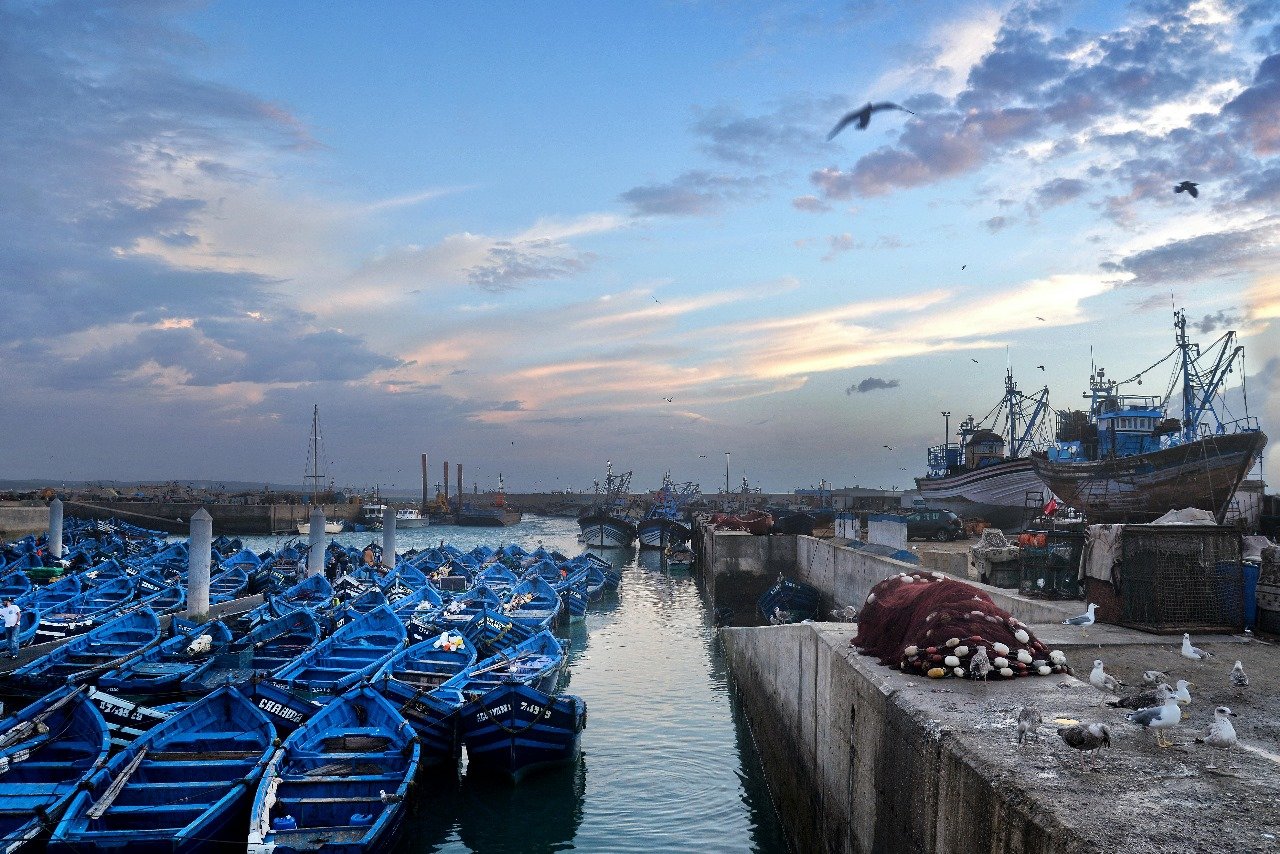
The coastal cities like Casablanca and Essaouira enjoy mild temperatures year-round, while inland imperial cities such as Marrakech and Fes experience greater temperature variations. The Atlas Mountains provide a cool escape during summer, and the Sahara Desert presents extreme heat in summer but pleasant conditions in winter.
Understanding these variations is crucial when planning your itinerary with Roving Morocco Tours, as different regions shine in different seasons.
Spring: The Prime Travel Season
Spring represents the best time to visit Morocco for most travelers. From March through May, the country awakens with blooming wildflowers, comfortable temperatures, and excellent visibility for photography and sightseeing.
Why Spring Excels for Morocco Travel
- Perfect temperatures: Daytime highs average 20-25°C (68-77°F) in major cities
- Vibrant landscapes: The Atlas Mountains display lush greenery and flowing waterfalls
- Comfortable desert visits: Sahara temperatures remain pleasant for camel treks and camping
- Fewer crowds: Tourist numbers are moderate compared to European summer holidays
- Agricultural beauty: Valleys showcase blooming almond and cherry trees
Spring also coincides with Ramadan some years, which offers unique cultural insights. You can explore our tour options to find spring itineraries that maximize these seasonal advantages.
Summer: Coastal Escapes and Mountain Retreats
June through August brings intense heat to inland Morocco, with Marrakech and Fes often exceeding 38°C (100°F). However, summer remains popular for specific regions and experiences.
The Atlantic coast becomes a haven during these months, with cities like Essaouira and Asilah offering refreshing sea breezes and temperatures around 25°C (77°F). The Mediterranean coast near Tangier also provides relief from the heat.
Best Summer Destinations
The Atlas Mountains transform into popular retreats, offering hiking opportunities in pleasant conditions. Towns like Ifrane and Azrou provide alpine-like atmospheres with temperatures 10-15°C cooler than desert regions.
While summer isn’t the ideal time for Sahara excursions due to extreme heat, coastal and mountain regions make Morocco viable for summer travelers. The UNESCO World Heritage sites in these areas remain accessible and less crowded in early mornings.
Autumn: Perfect Weather and Cultural Festivals
September through November rivals spring as the best time to visit Morocco. As temperatures moderate after summer’s heat, the country enters another golden period for travel.
October particularly stands out, with daytime temperatures averaging 22-28°C (72-82°F) in most regions. The Sahara becomes accessible again, and the harvest season brings abundant fresh produce to markets and restaurants.
Autumn hosts numerous cultural festivals, including date festivals in the south and the famous Imilchil Marriage Festival in the Atlas Mountains. These events provide authentic cultural experiences beyond typical tourist activities.
Winter: Budget-Friendly Adventures
December through February represents the low season for most of Morocco, bringing significant advantages for budget-conscious travelers. Hotel rates drop 30-50% compared to peak seasons, and popular attractions become refreshingly uncrowded.
Coastal and southern regions maintain pleasant daytime temperatures around 18-20°C (64-68°F), making Marrakech, Agadir, and desert regions viable year-round destinations. However, nights turn cold, especially in the desert where temperatures can drop near freezing.
Winter Advantages
The Atlas Mountains receive snowfall, transforming into Morocco’s ski destination. Oukaimeden ski resort operates from December through March, offering a unique North African winter sports experience.
Winter also provides excellent conditions for exploring imperial cities without summer crowds or spring rush. Check our FAQ section for specific winter travel considerations and packing recommendations.
Regional Climate Considerations
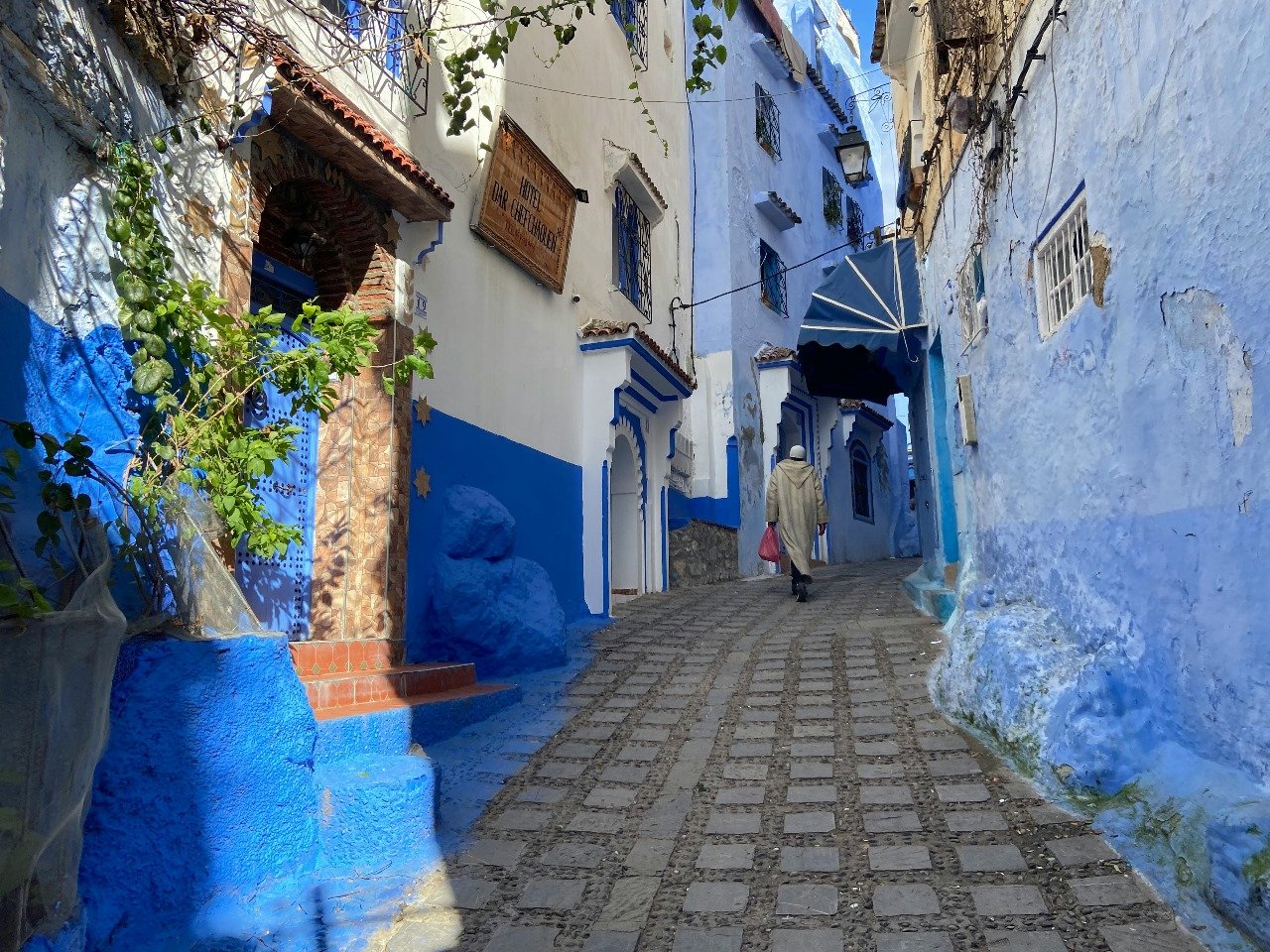
Morocco’s diverse geography demands region-specific timing strategies. The Mediterranean coast enjoys mild, wet winters and warm, dry summers—similar to Southern Europe. This makes Tangier and Chefchaouen pleasant from April through October.
The Atlantic coast benefits from year-round moderate temperatures, with Essaouira serving as a natural air conditioner for summer visitors. Surfers particularly favor autumn through spring for optimal wave conditions.
Desert and Mountain Timing
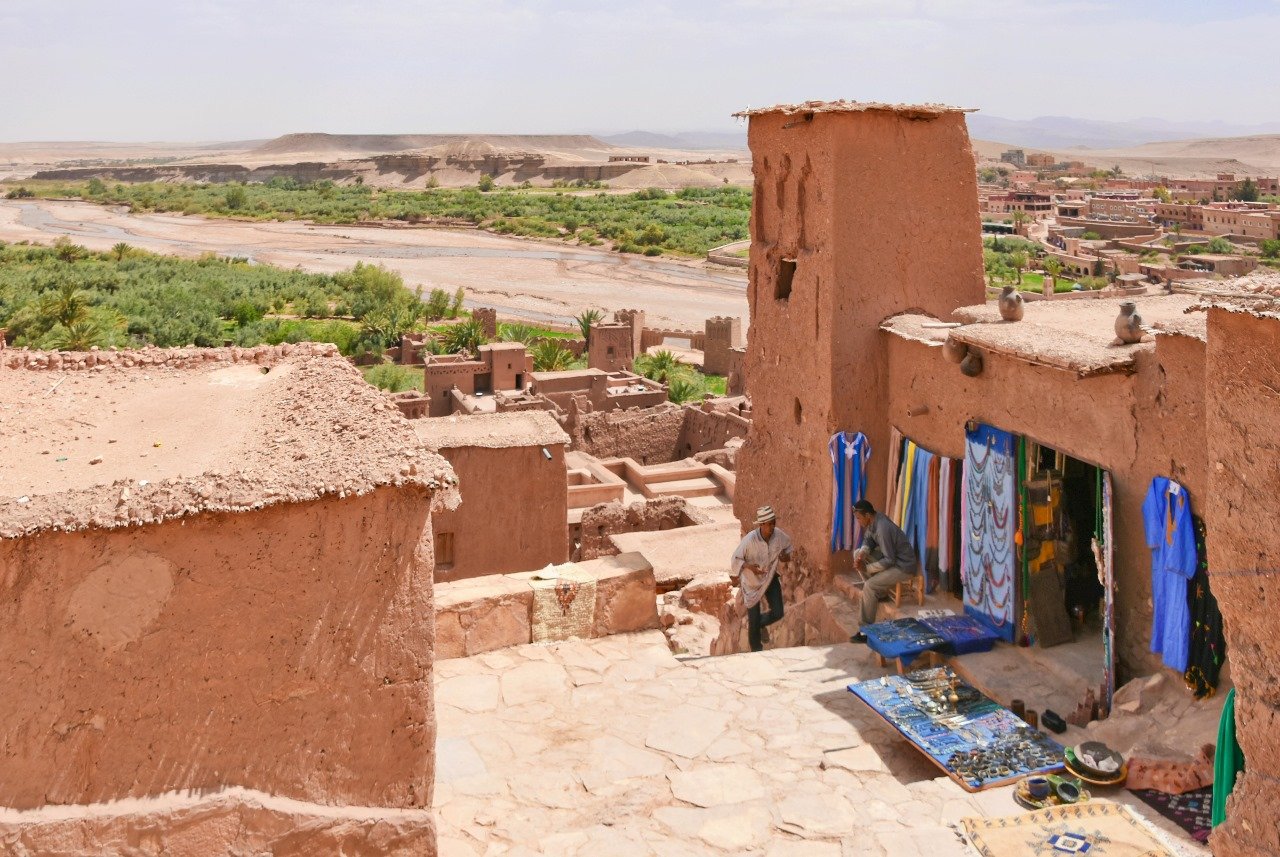
The Sahara Desert experiences extreme seasonal variations. According to climate data from the National Centers for Environmental Information, summer temperatures regularly exceed 45°C (113°F), making travel uncomfortable and potentially dangerous. Plan Sahara excursions between October and April for comfortable conditions.
The High Atlas Mountains remain accessible from spring through autumn, with some high-altitude passes closing during winter snowfalls. Trekking season peaks in May-June and September-October when trails are clear and weather stable.
Festivals and Cultural Events
Morocco’s festival calendar significantly influences the best time to visit Morocco for culture enthusiasts. These events provide immersive experiences showcasing traditional music, arts, and customs.
Major Annual Festivals
- Fes Festival of World Sacred Music (June): International celebration of spiritual music traditions
- Gnaoua World Music Festival (June): Essaouira hosts this vibrant fusion music celebration
- Rose Festival (May): Kelaat M’Gouna celebrates the rose harvest with parades and festivities
- Marrakech International Film Festival (November-December): Showcases international cinema
- Almond Blossom Festival (February): Tafraoute celebrates with traditional Berber performances
Ramadan, while following the lunar calendar, offers unique cultural insights for respectful visitors. As of 2026, understanding Islamic holiday timing helps optimize your travel planning. Our travel blog provides updated festival calendars and cultural guidance.
Common Misconceptions About Visiting Morocco
One prevalent misconception suggests Morocco remains unbearably hot year-round. In reality, northern cities like Chefchaouen and Tangier experience cool, rainy winters requiring warm clothing. The diverse climate zones mean visitors can find comfortable temperatures in some region during any month.
Another myth claims summer should be completely avoided. While inland cities do experience intense heat, coastal and mountain regions provide perfectly pleasant summer conditions. Strategic regional planning makes year-round travel feasible.
Many travelers also believe all of Morocco shuts down during Ramadan. While restaurant hours shift and some daytime dining options close, major tourist sites remain open, and the evening iftar celebrations offer authentic cultural experiences. For personalized guidance, our team at Contact Us can help plan culturally sensitive itineraries.
Frequently Asked Questions
What is the cheapest month to visit Morocco?
January and February typically offer the lowest prices for flights and accommodation, with rates 30-50% below peak season. However, expect cooler temperatures and occasional rain in northern regions. Desert and southern areas remain pleasant during these months.
Is Morocco too hot in July and August?
Inland cities like Marrakech and Fes experience extreme heat (38-42°C/100-108°F) during July and August, making daytime exploration challenging. However, coastal cities like Essaouira and mountain towns like Ifrane offer comfortable alternatives with temperatures around 25°C (77°F).
How many days should I spend in Morocco?
A minimum of 7-10 days allows you to experience Morocco’s highlights, including imperial cities, the Sahara Desert, and coastal regions. Two weeks enables a more relaxed pace with deeper cultural immersion. Check our tour packages for optimized itineraries.
Does Morocco get cold at night?
Yes, particularly in the desert and mountains. Sahara nights can drop to near freezing (0-5°C/32-41°F) even when days are warm. The Atlas Mountains experience snow in winter. Coastal and lowland cities maintain milder nighttime temperatures year-round.
What should I avoid during Ramadan in Morocco?
Avoid eating, drinking, or smoking in public during daylight hours out of respect for those fasting. Most restaurants close during the day but open for iftar (sunset meal). Tourist sites remain open, and visitors are not expected to fast, but discretion is appreciated.
Is it safe to travel to Morocco year-round?
Morocco maintains strong tourism infrastructure and safety standards throughout the year. According to U.S. Department of State travel advisories, Morocco is generally safe for travelers exercising normal precautions. Weather conditions rather than safety concerns should guide seasonal choices.
Conclusion
The best time to visit Morocco ultimately depends on your personal preferences, planned activities, and regional focus. Spring (March-May) and autumn (September-November) offer the most universally pleasant conditions across all regions, combining comfortable temperatures, vibrant landscapes, and cultural festivities.
Summer travelers should focus on coastal and mountain regions, while winter visitors can enjoy uncrowded cities, budget-friendly rates, and excellent southern desert conditions. With strategic planning, Morocco rewards visitors year-round with its rich culture, stunning landscapes, and warm hospitality.
Ready to experience Morocco at its finest? Explore our carefully crafted itineraries and let our expert guides show you the best this magnificent country offers, regardless of when you choose to visit. Visit About Us to learn more about our commitment to creating unforgettable Moroccan adventures.